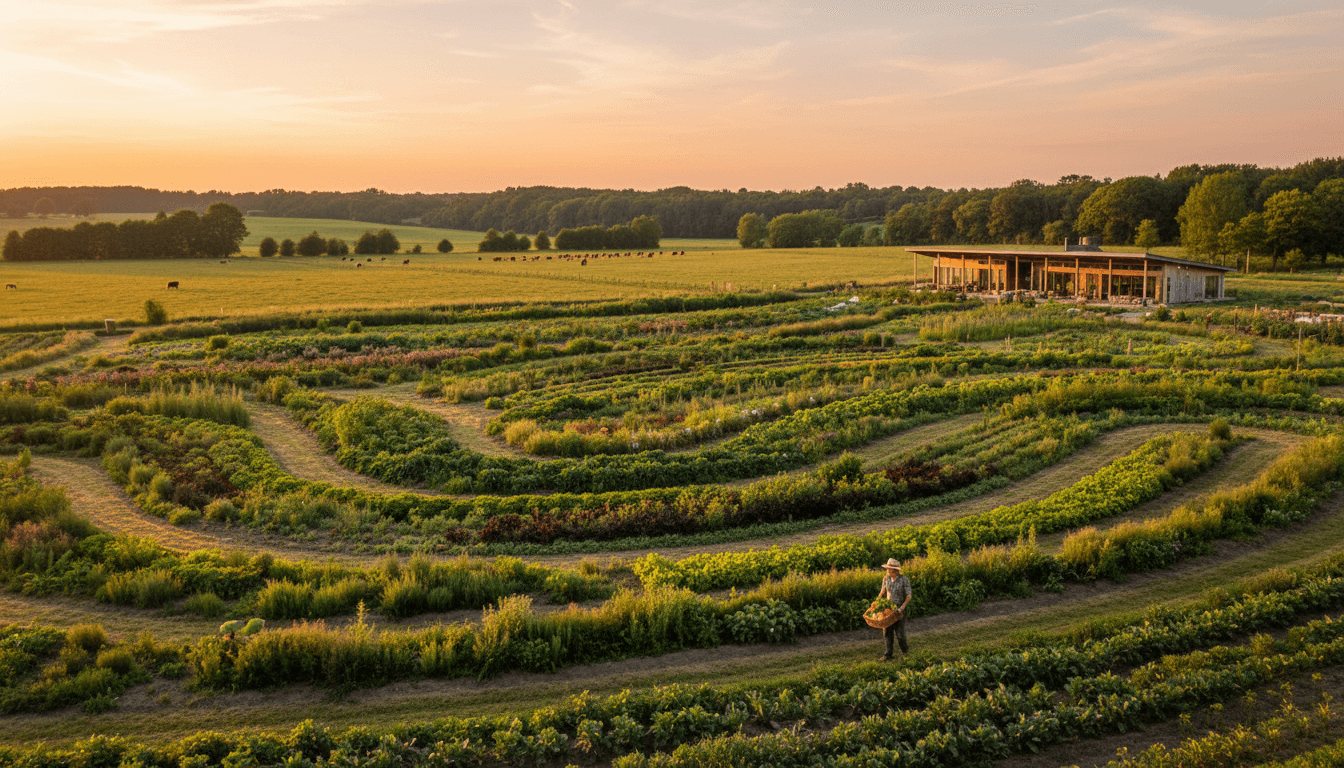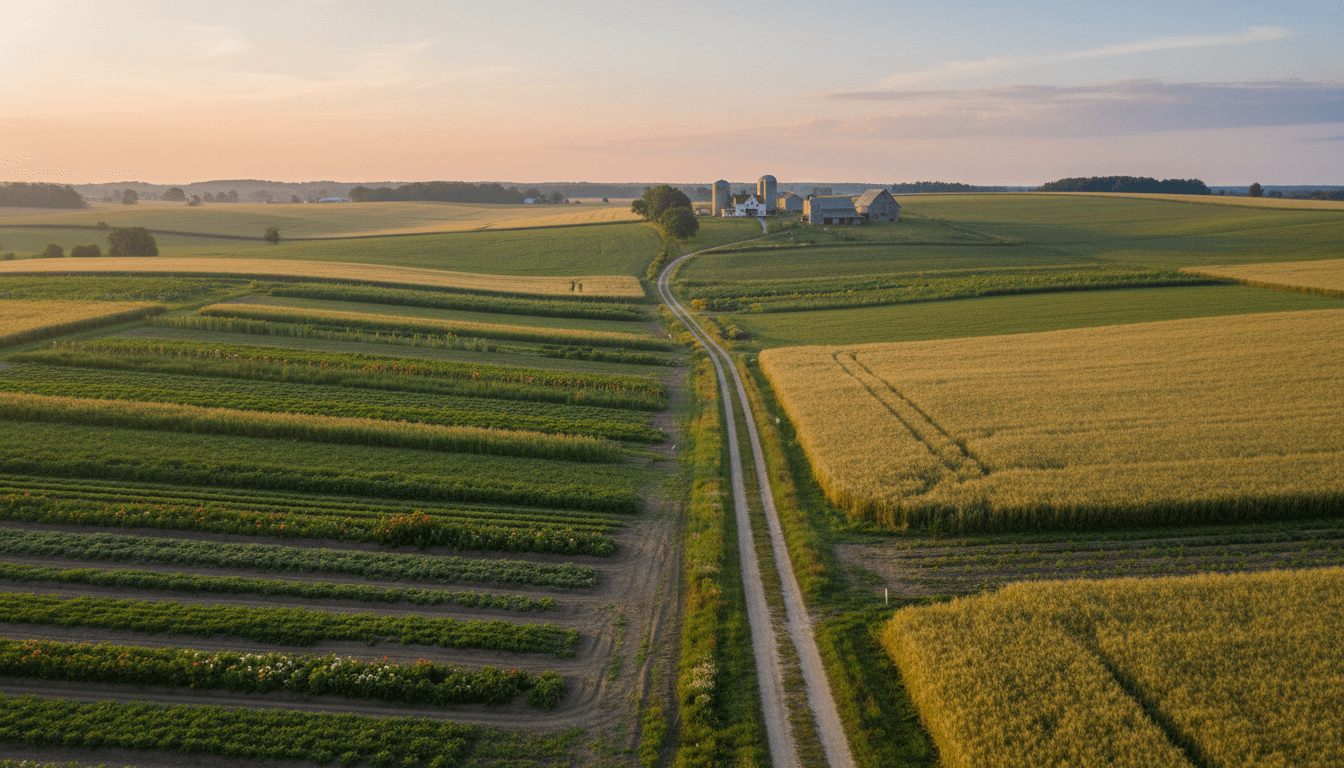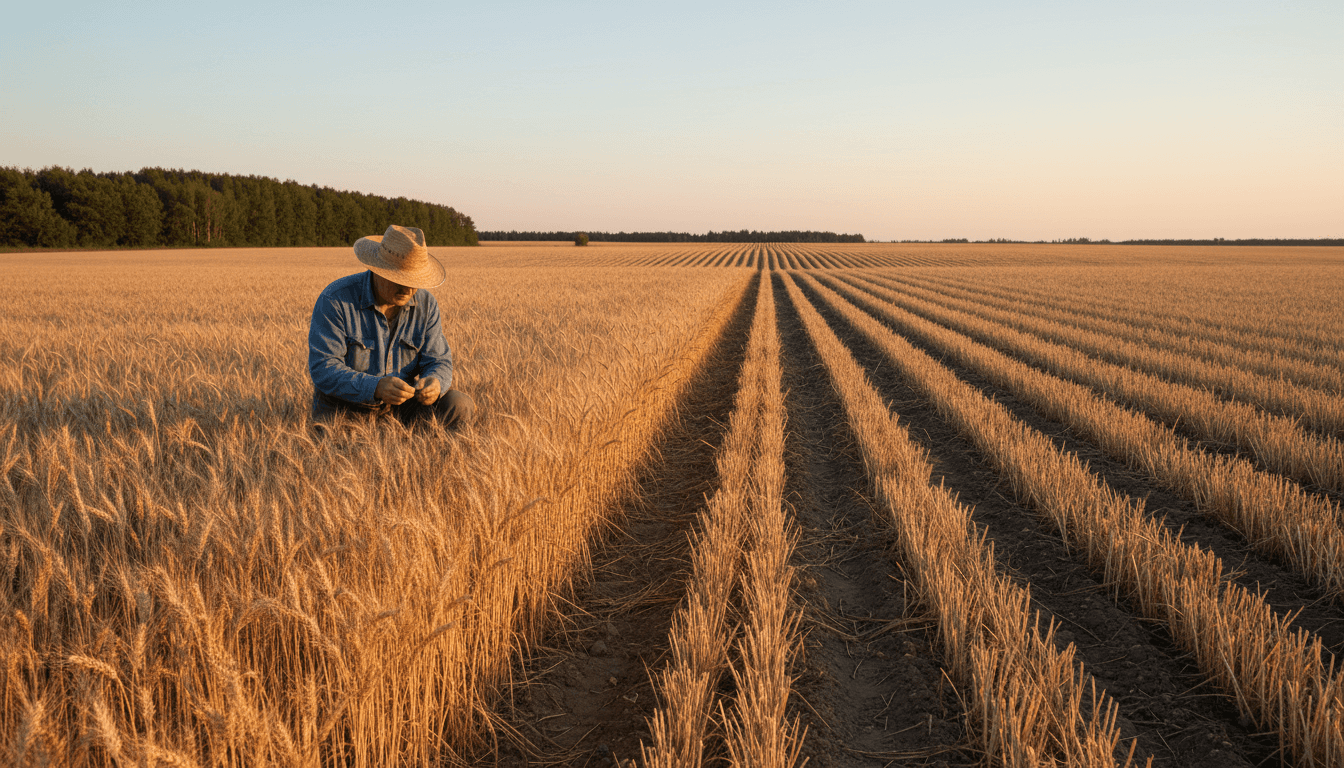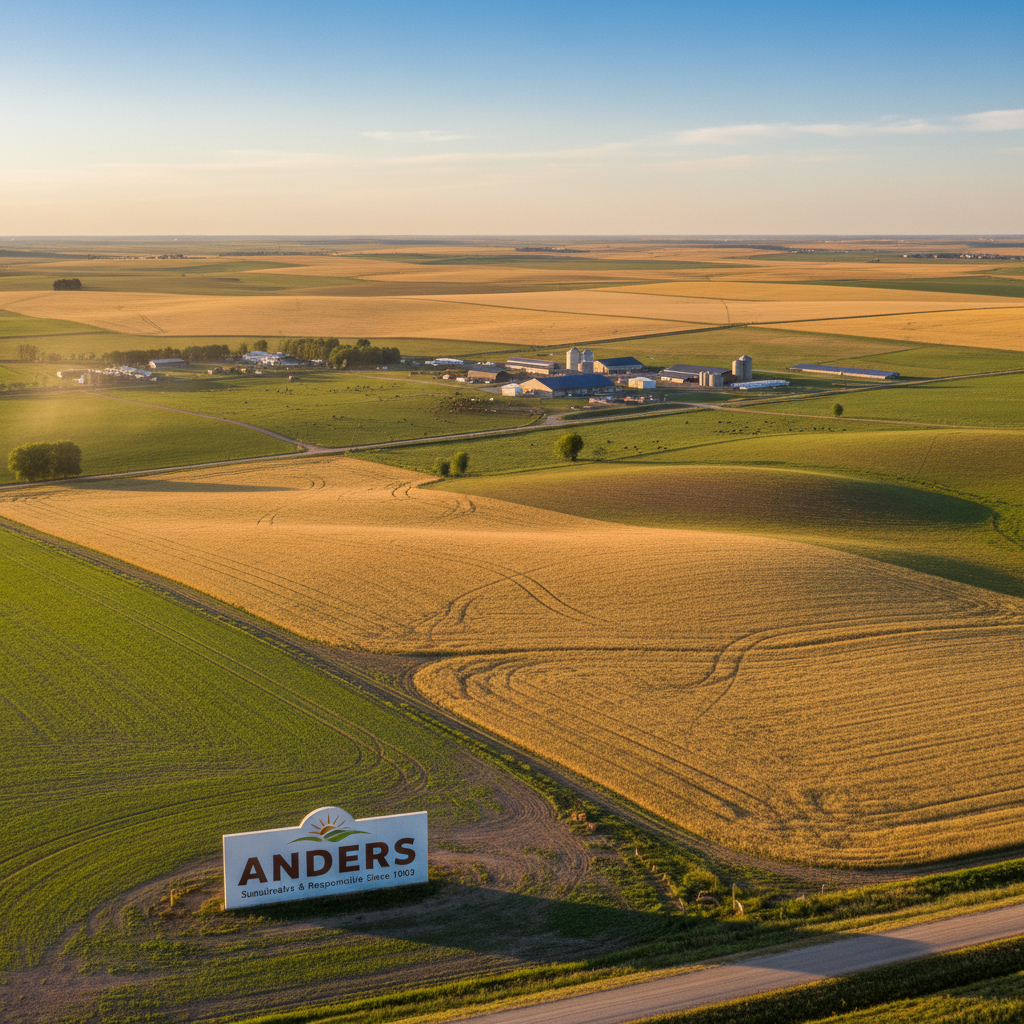
Sustainable farming practices in Box Elder County focus on improving soil health through no-till or reduced tillage, cover cropping, and maximizing biodiversity to restore nutrients. These methods increase water retention and minimize soil disturbance; they are essential for preserving the local agricultural heritage while ensuring long-term crop productivity.
Farmers in Box Elder County know that the land does not give anything for free. Between the unpredictable precipitation and the constant threat of soil erosion, maintaining a productive yield often feels like an uphill battle against the elements. If you are watching your topsoil blow away or seeing your fertilizer costs rise without a corresponding jump in output, your current management strategy may be reaching its limit. Sustainable farming is not a trend here; it is a necessity for anyone looking to preserve their multi-generational legacy. In this guide, we examine five specific practices designed for the unique arid climate of Northern Utah. You will learn how strategic cover cropping, no-till systems, and advanced water management can restore your soil biology. By the end, you will understand how to transition from reactive farming to a system that builds health and profitability year after year.
The State of Soil Health in Northern Utah Agriculture
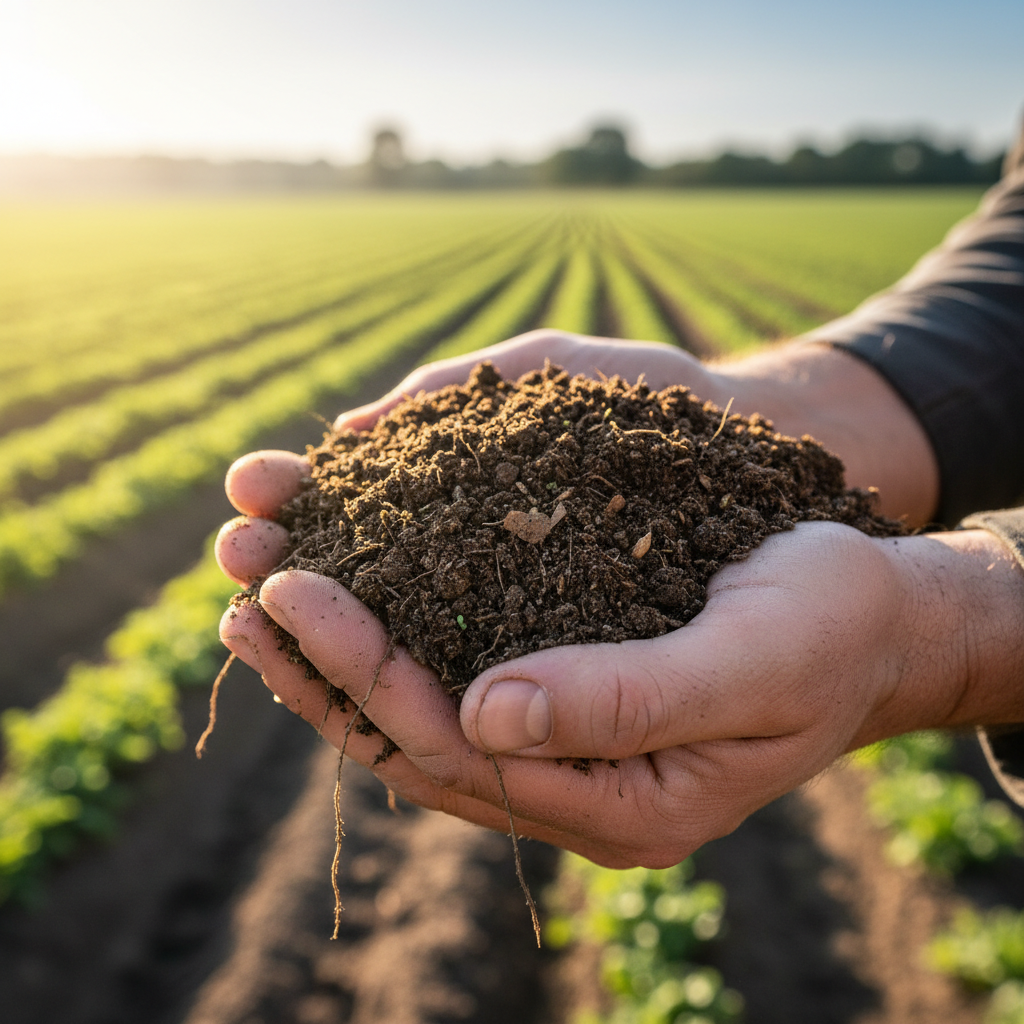
Box Elder County serves as a cornerstone of Utah agriculture, characterized by its expansive valley floors and varied upland terrain. Maintaining the productivity of this landscape requires a deep understanding of our unique environmental constraints. According to USDA NASS data, approximately 22% of farms in the region still rely on intensive tillage. However, a significant movement toward conservation is gaining momentum as producers recognize that soil health is the primary foundation for success in our arid climate.
In Northern Utah, healthy soil functions as a vital reservoir. Improved soil structure increases water infiltration and retention, which is essential for surviving extended dry spells and reducing reliance on fluctuating irrigation supplies. This focus on land stewardship ensures that reliable agricultural operations can maintain high yields without degrading the resource base.
The local Agricultural Heritage Zone highlights the importance of preserving Box Elder’s farming legacy through thoughtful, sustainable development. Transitioning toward modern, sustainable farming practices Box Elder County allows us to protect the land from wind erosion and nutrient depletion. As we look toward the future, prioritizing the biological integrity of the soil is the most effective way to ensure long term viability. For those seeking to enhance their land's potential, we encourage you to partner with us to implement scalable, resource efficient solutions.
1. Strategic Cover Cropping for Arid Climates
Implementing sustainable farming practices Box Elder County requires a departure from standard Midwestern models. In Northern Utah, producers face a narrow window between fall harvest and the onset of winter, coupled with limited annual precipitation. Strategic cover cropping in this region is about maximizing biological benefits without compromising the moisture needs of the subsequent cash crop.
At Anders Farming, we select seed mixtures based on the specific physiological goals of each field. For example, we utilize grasses like cereal rye or winter wheat to build substantial surface biomass, which shields the soil from high-velocity valley winds and prevents erosion. To naturally boost fertility, we integrate legumes such as Austrian winter peas or hairy vetch to fix atmospheric nitrogen. This strategic selection reduces the need for synthetic inputs, directly supporting reliable agricultural operations through improved nutrient cycling.
The most critical technical hurdle in an arid climate is termination timing. USU Extension research emphasizes that if a cover crop grows too long into the spring, it can transpire the soil moisture essential for the primary crop's germination. We monitor soil moisture levels closely to determine the precise window for termination, typically ending the stand before it reaches full maturity. This proactive management ensures we achieve the benefits of increased organic matter and improved infiltration while safeguarding the farm's water balance. Through these targeted interventions, we prioritize land stewardship while maintaining the operational scalability our partners expect.
2. Transitioning to No-Till and Reduced Tillage Systems
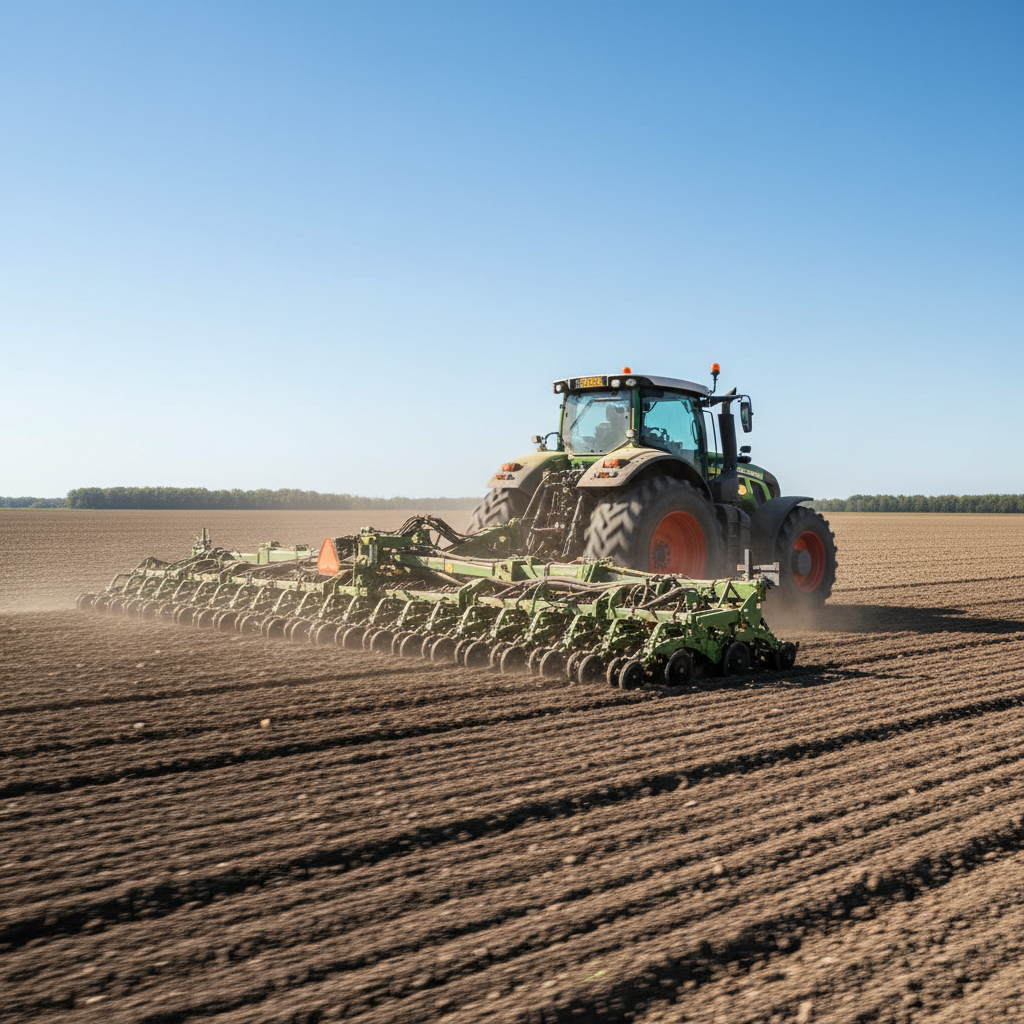
While strategic cover cropping provides the biological cover, the mechanical management of the field determines how effectively that cover is utilized. In Box Elder County, USDA statistics indicate that only about 10% of farms currently employ no-till systems. This low adoption rate represents a significant opportunity for regional producers to improve their land stewardship by minimizing mechanical disturbance and protecting the soil's structural integrity.
Conventional tillage operations leave the soil surface vulnerable to the intense UV radiation of the Northern Utah sun and the persistent wind erosion common in our expansive valleys. By transitioning to no-till or reduced tillage, we maintain a protective layer of crop residue that shields the earth. This residue acts as a thermal buffer, keeping soil temperatures lower and preventing precious topsoil from being lost to high-velocity winds. These sustainable farming practices Box Elder County producers are increasingly considering are essential for maintaining the long-term viability of the land.
Below the surface, the benefits are even more technical. Intensive tillage physically shatters the delicate fungal networks, specifically mycorrhizae, which are vital for nutrient uptake and plant health. It also collapses the natural pore spaces that allow for essential oxygen and water movement. Preserving this biological infrastructure ensures that reliable agricultural operations can maintain high productivity with fewer synthetic inputs. Furthermore, reducing tillage passes translates directly to improved equipment efficiency. Fewer hours in the tractor mean lower fuel consumption, reduced labor costs, and significantly less wear and tear on machinery. For landowners looking to modernize their resource management, we encourage you to partner with us to develop a scalable transition plan that prioritizes both soil health and operational profitability.
3. Maximizing Biodiversity Through Crop Rotation
While reducing tillage protects the soil surface, true biological stability requires diversity above and below ground. Monocropping creates a specialized environment where specific pests and pathogens flourish, often leading to an increased reliance on chemical interventions. By implementing diverse sustainable farming practices Box Elder County producers can break these cycles naturally, reducing the biological pressure on any single crop.
Root architecture is a primary driver of soil health in these systems. Diverse root structures, such as the deep, soil-penetrating taproots of alfalfa compared to the dense, fibrous systems of winter wheat or barley, play a vital role in maintaining soil structure. These variations prevent subsurface compaction and facilitate improved nutrient cycling by accessing minerals at various depths. At Anders Farming, we design rotations that balance nutrient-demanding crops like silage corn with those that contribute back to the soil, such as nitrogen-fixing legumes.
Our approach ensures the land is never depleted of a single nutrient set through repetitive extraction. By strategically sequencing crops common to our region, we maximize natural fertility and improve the overall resilience of the acreage. This level of technical planning is central to our commitment to land stewardship, ensuring that reliable agricultural operations remain productive without degrading the resource base. To optimize your field's biological potential and improve long term yields, partner with us to develop a customized rotation strategy.
4. Advanced Water Management and Infiltration
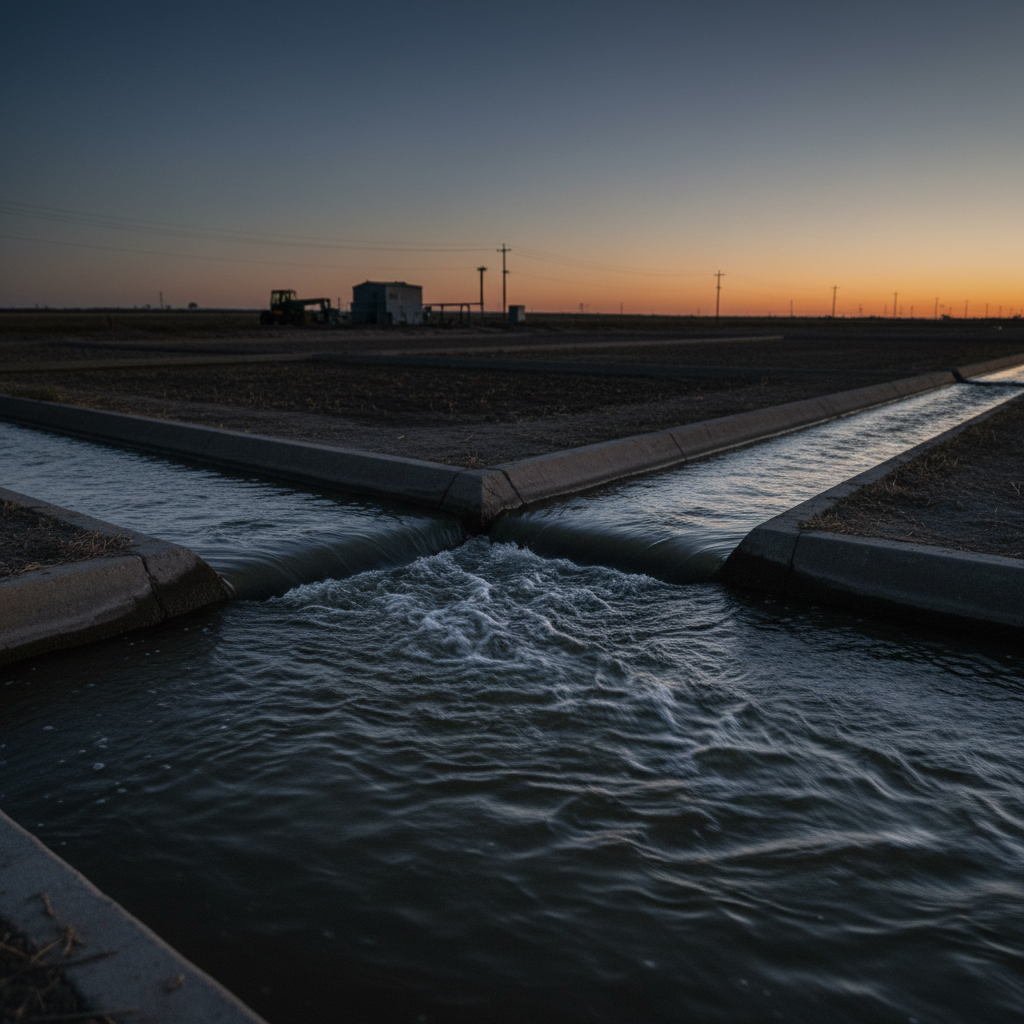
Water conservation is the most pressing challenge facing northern Utah agriculture; especially as the Great Salt Lake crisis demands more responsible resource management. In Box Elder County, where irrigation water is a finite asset, the ability of the soil to capture and store every inch of precipitation or applied water is critical. This is where soil health becomes pay dirt. Research indicates that for every 1% increase in soil organic matter, the ground can hold significantly more water, often estimated at up to 20,000 gallons per acre. By building this organic sponge, we shift from a system of rapid runoff to one of deep infiltration.
Healthy soil structure prevents water from simply sheeting off the surface into local drainage channels. Instead, it moves vertically through the profile, recharging the root zone and reducing the necessary frequency of irrigation cycles. This high level of efficiency is a hallmark of land stewardship. At Anders Farming, we combine biological soil improvements with modern irrigation infrastructure to ensure that reliable agricultural operations can withstand prolonged droughts and fluctuating water allocations.
Maximizing infiltration also mitigates the risk of erosion and nutrient leaching, keeping valuable inputs on the field where they belong. When water stays in the soil rather than evaporating or running off, it supports consistent crop growth even during the peak heat of July and August. For landowners looking to optimize their water use and protect the long term value of their acreage, we invite you to partner with us to implement these advanced sustainable farming practices Box Elder County depends on for a resilient future.
5. Integrating Livestock and Organic Amendments
Effective water infiltration sets the stage for a biologically active environment, but maintaining that activity requires consistent nutrient replenishment. Following the principles of the Utah Soil Health Partnership, integrating livestock into a cropping system is a highly effective way to cycle nutrients. Managed grazing on cover crops or crop residue ensures that organic matter is processed and redistributed as natural fertilizer. This biological interaction stimulates microbial life and improves soil carbon levels far more effectively than synthetic applications alone.
Unlike concentrated chemical fertilizers that offer a short term spike followed by rapid depletion, organic amendments such as high quality compost or manure provide a slow release of essential minerals. This transition away from heavy chemical reliance builds long term fertility and strengthens the soil's natural structure. By utilizing these natural inputs, our reliable agricultural operations prioritize stability and soil resilience over temporary yield boosts.
Implementing these sustainable farming practices Box Elder County allows producers to reduce the financial burden of volatile synthetic inputs while fostering a self sustaining ecosystem. This commitment to land stewardship ensures the ground remains productive for future generations. If you are looking to incorporate biological amendments or managed grazing into your rotation, we encourage you to partner with us to evaluate your soil's specific nutrient needs.
The Anders Farming Approach: Precision and Planning
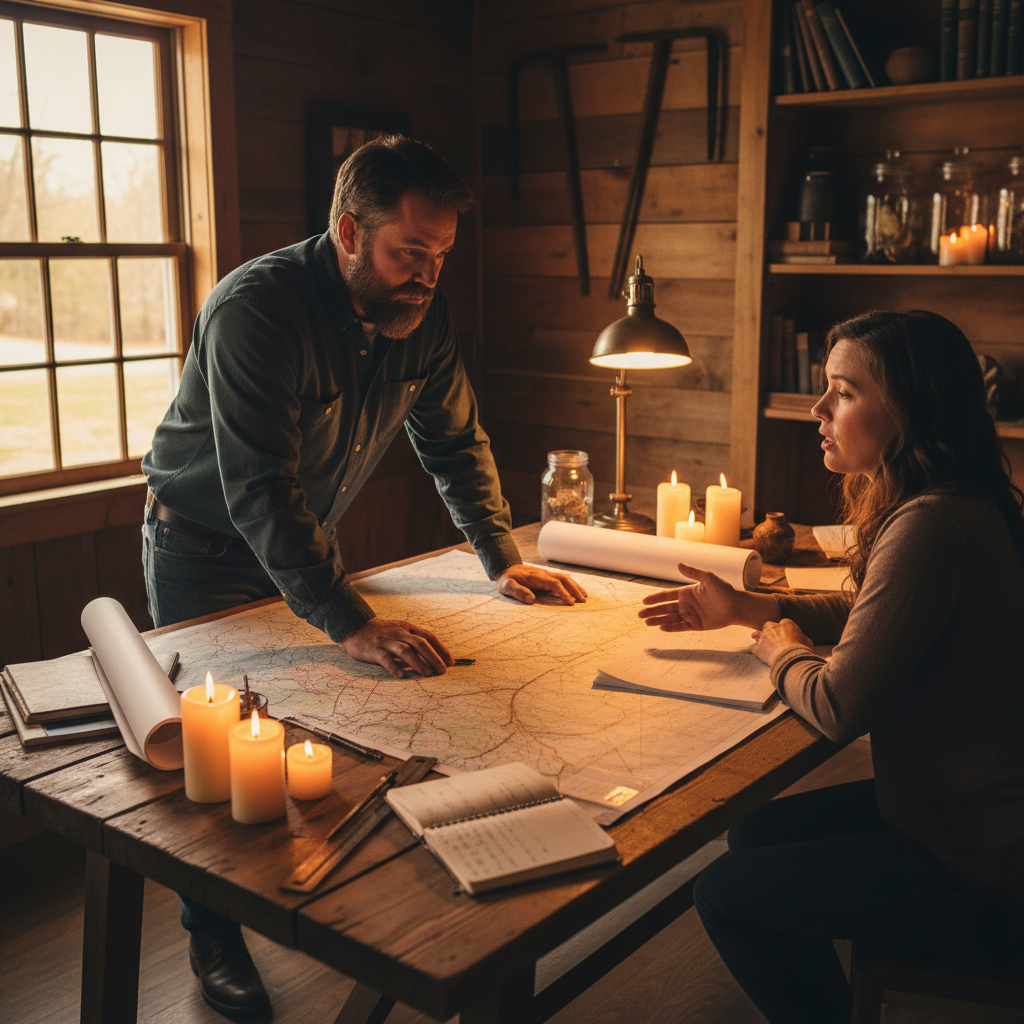
Biological amendments and livestock integration provide the raw materials for soil health, but precise management determines the final return on investment. At Anders Farming, our methodology relies on rigorous soil sample analysis to identify specific nutrient deficiencies and carbon levels across different zones. This data allows us to apply inputs with surgical accuracy rather than using broad, wasteful applications. By leveraging precision agriculture tools, we ensure that every seed and pound of amendment is placed where it will be most productive, supporting reliable agricultural operations that remain resilient under economic pressure.
This data driven strategy proves that sustainable farming practices Box Elder County producers adopt can be both ecologically responsible and highly profitable. We view sustainability as a mechanism for operational efficiency; reducing waste and optimizing resource use directly improves the bottom line. Scalable solutions require this level of technical oversight to bridge the gap between small scale conservation and commercial viability.
Navigating these complexities requires specialized expertise. Professional consultation is vital for long term land management projects, ensuring that transitions to no till or complex rotations are executed without costly errors. Our commitment to land stewardship is backed by modern technology and field experience. To develop a customized, data backed plan for your acreage, we invite you to partner with us and leverage our precision tools for your farm’s success.
Building resilient soil in Box Elder County requires a long term commitment to these sustainable methods. By prioritizing organic matter and minimizing disturbance, you can ensure your land remains productive for generations to come. Every farm has unique challenges; applying these principles effectively often benefits from a tailored approach. If you want expert help transitioning your fields to these healthier practices, feel free to reach out. You can learn more about my background and services on the About page.