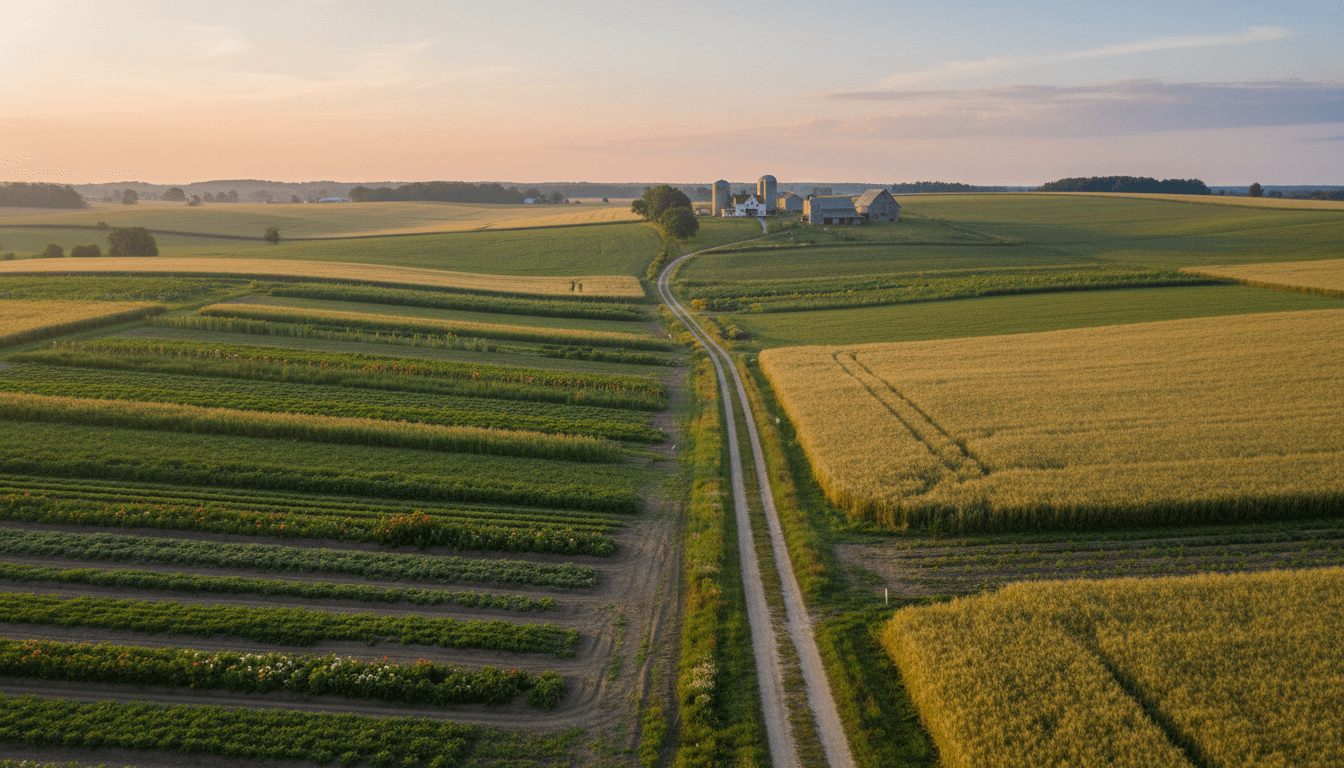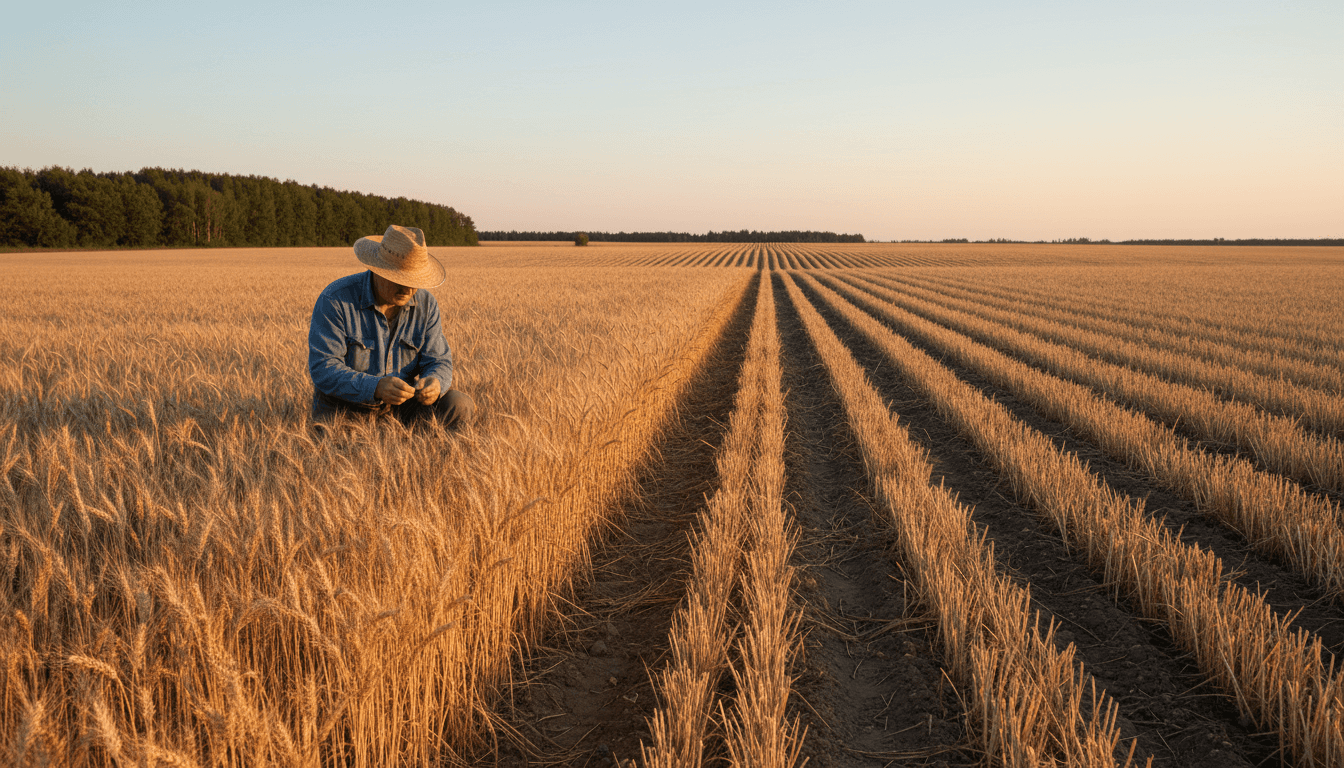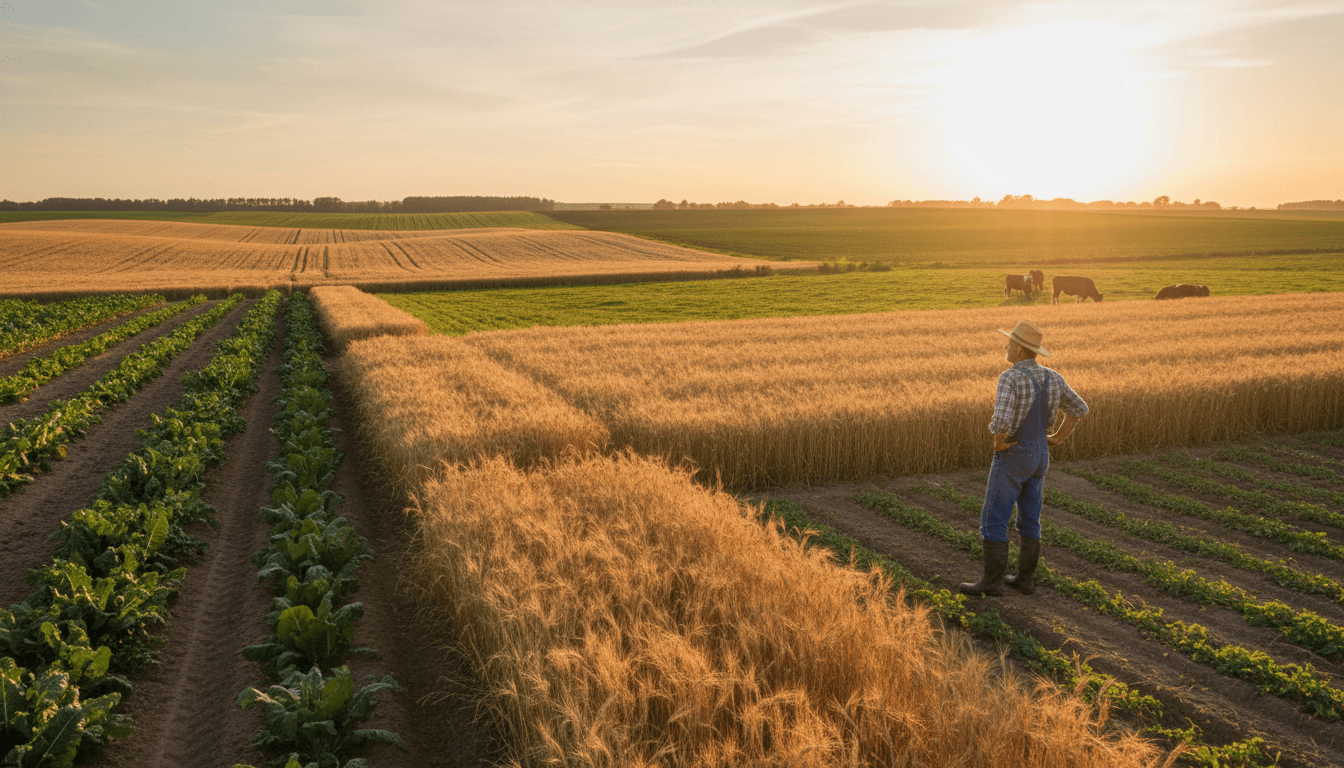
Safflower, small grains, and teff are the most resilient drought tolerant crops Utah farmers can grow to maintain yields during periods of water scarcity. Other high performance options include forage sorghum, which uses significantly less water than corn, and pearl millet, which is specifically suited for dryland farming conditions.
Utah farmers face a brutal reality as the second driest state in the nation. Watching a promising crop wither under the relentless heat of the Great Basin is a specialized kind of heartbreak, especially when every drop of moisture feels like a gamble against the horizon. In Box Elder County, dryland farming requires more than just grit; it demands a strategic shift toward water use efficiency where yield per inch becomes the primary metric of success. This guide explores the resilient alternatives that thrive when traditional options fail. We will examine the deep-rooted success of safflower, the versatility of teff and sorghum sudangrass, and the soil health benefits of triticale rotations. By prioritizing drought-resistant genetics and modern soil management, you can build a farming operation that remains profitable even when the rain clouds remain elusive.
The Challenge of Dryland Farming in the Nation's Second Driest State
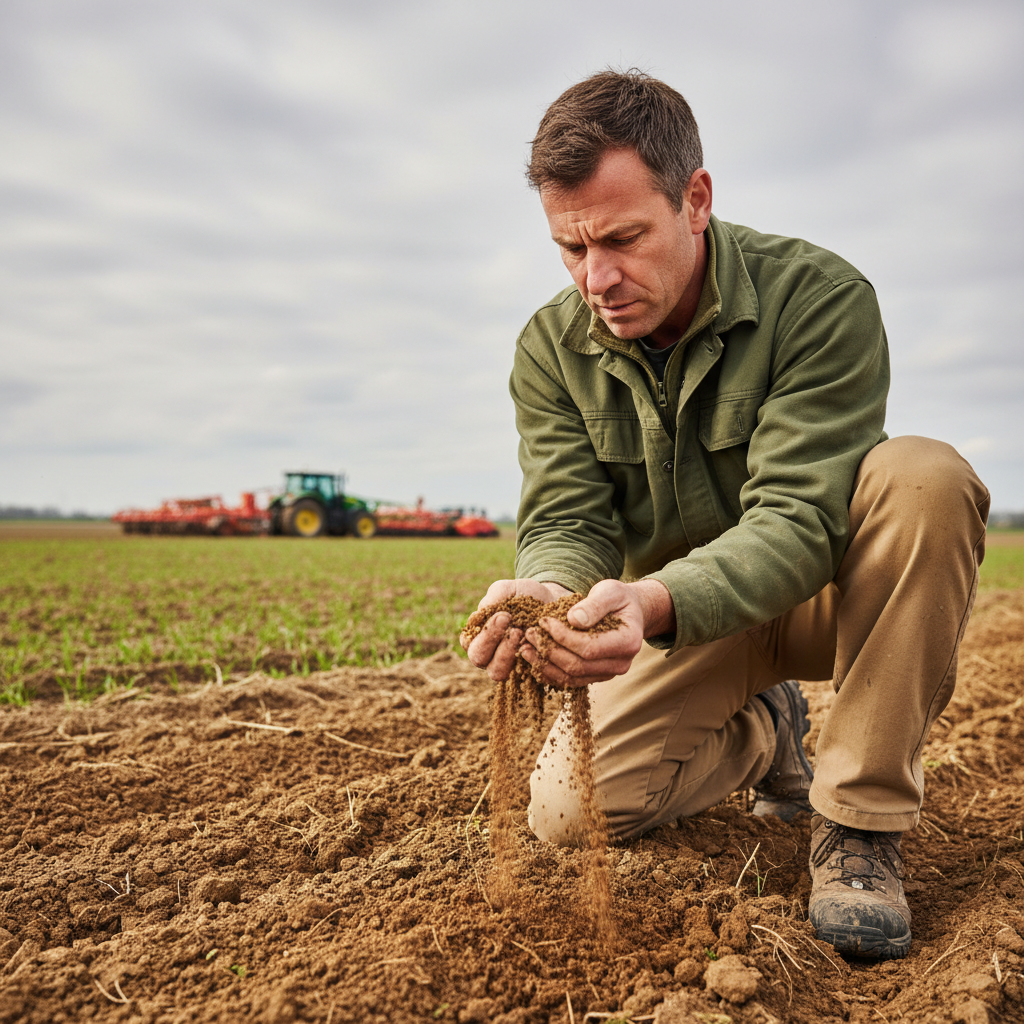
Utah ranks as the nation’s second driest state, a geographic reality that dictates the rhythm of local agriculture. In Box Elder County and throughout Northern Utah, producers navigate recurring drought cycles that often persist for five to six years. Within this arid climate, dryland farming represents the ultimate test of resourcefulness, as these operations depend entirely on natural precipitation rather than supplemental irrigation.
For growers in our region, crop selection is not merely a preference; it is the single most important decision for a farm’s survival. A miscalculation in a dry year can lead to total crop failure and significant soil degradation. At Anders Farming, we prioritize sustainable production and land stewardship by identifying varieties that can withstand intense moisture stress. Our focus remains on balancing high-level productivity with environmental responsibility, ensuring that our agricultural operations and resource management strategies protect the land's long-term viability.
By shifting the focus from maximum possible yield to resource-efficient stability, growers can build more resilient operations. If you are looking to partner with Anders Farming to improve your land’s performance, understanding the specific mechanics of drought tolerant crops Utah needs is the foundation of a successful strategy. This approach allows for scalable solutions that maintain productivity even when moisture is scarce.
Understanding Water Use Efficiency: Why Yield per Inch Matters
Effective resource management in an arid climate requires a shift from measuring success solely by bushels per acre to measuring it by Yield per unit of Evapotranspiration. This calculation, known as Water Use Efficiency (WUE), is expressed as the ratio of Y/ET. It quantifies how many pounds of grain or biomass a plant produces for every inch of water it consumes or loses through soil evaporation and leaf transpiration. For producers in Box Elder County, understanding this ratio is the foundational step in identifying the specific drought tolerant crops Utah can reliably sustain.
Data provided by Utah State University Extension illustrates the significant variance in efficiency between different crop types. Corn, while highly productive under intensive irrigation, offers a WUE of approximately 275 pounds of grain per acre inch. In contrast, wheat provides roughly 500 pounds per acre inch. This disparity is largely driven by the phenology of the plants. Small grains typically complete the most water intensive stages of their growing season before the peak heat of July and August arrives. By maturing early, these crops utilize late winter and early spring moisture when atmospheric demand for water is lower, effectively avoiding the high evapotranspiration rates that can exhaust soil moisture reserves later in the summer.
Focusing on WUE allows for sustainable production and land stewardship by aligning planting schedules with Utah’s natural precipitation patterns. When we select crops that maximize biomass per inch of water, we reduce the volatility of our yields and protect the farm against total loss. This analytical approach to agricultural operations and resource management ensures that every acre contributes to the long term viability of the operation, prioritizing resource stability over high risk, high water demand alternatives.
Safflower: The Deep Rooted Champion of Utah Drylands
Safflower stands out as a primary alternative for Box Elder County producers seeking to diversify beyond traditional wheat. Is safflower drought resistant? The answer is a firm yes; it is among the most resilient oilseed crops available for arid climates. Its physiological advantage lies in a robust taproot system that can reach depths of up to 1.6 meters. This allows the plant to access subsoil moisture reserves that remain out of reach for shallow rooted species, making it a cornerstone of sustainable production and land stewardship.
In Northern Utah, safflower is typically grown with zero irrigation, relying entirely on the moisture captured in the soil profile during the winter and spring. This makes it an ideal fit for agricultural operations and resource management where water conservation is the highest priority. When evaluating the drought tolerant crops Utah growers can rely on, safflower is particularly attractive because it integrates into existing local supply chains and regional markets. Furthermore, it is exceptionally practical for current grain farmers; it requires no specialized headers or unique machinery, as it can be planted and harvested using the same equipment utilized in small grain operations. For those looking to partner with Anders Farming to optimize their dryland rotations, safflower offers a reliable path toward maintaining productivity when seasonal precipitation is scarce.
Alternative Forages: Teff and Sorghum Sudangrass for Modern Operations
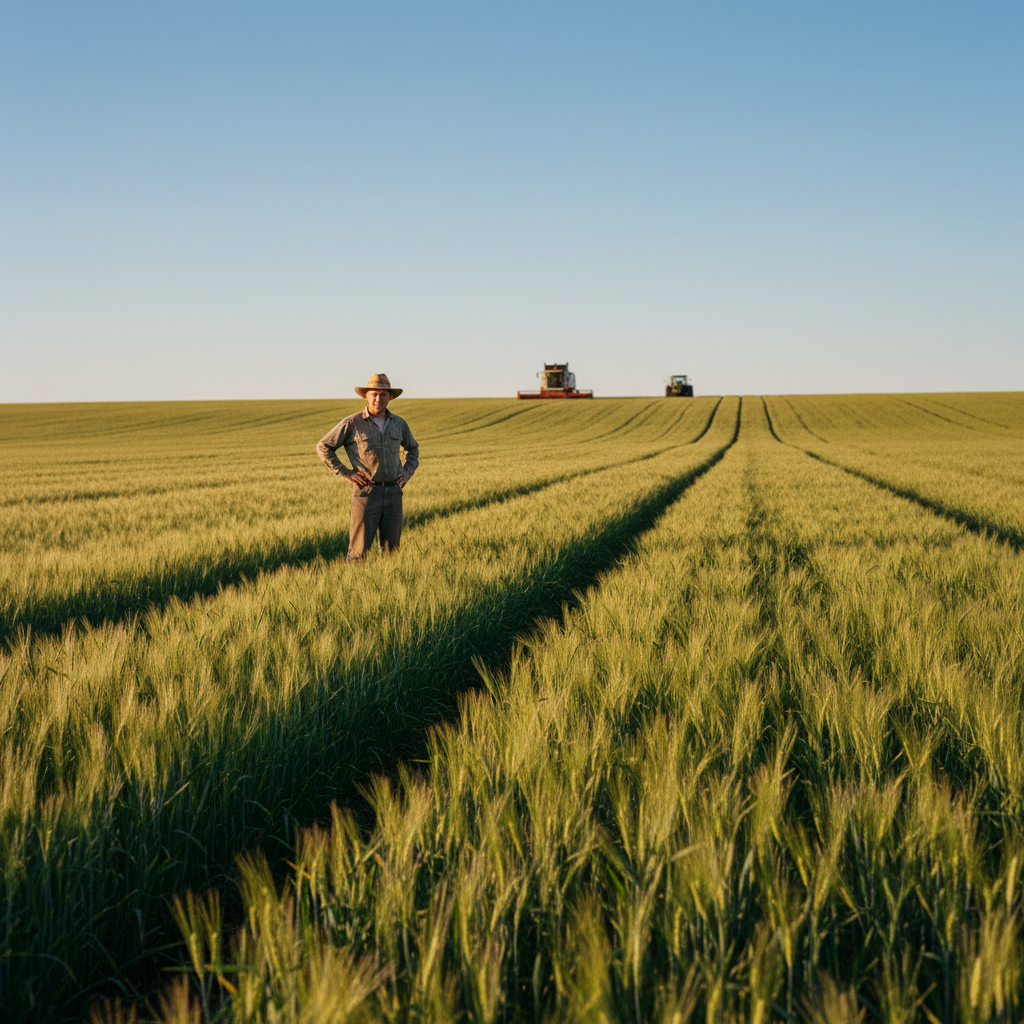
Building on the deep-rooted resilience of safflower, forage producers in Box Elder County must also evaluate annual grass alternatives to mitigate the high water demands of perennial alfalfa and corn silage. While alfalfa is the cornerstone of Utah hay production, its late-season water requirements often exceed available moisture during drought cycles. Teff and sorghum-sudangrass provide a strategic alternative, allowing for sustainable production and land stewardship without sacrificing the biomass necessary for livestock operations.
Teff is a fine-stemmed, warm-season annual grass that has become a vital tool for managing water-restricted fields. It can produce biomass yields remarkably similar to alfalfa but does so using approximately half the water. Because it is an annual, growers have the flexibility to plant it when moisture profiles are favorable or as a rescue crop when irrigation supplies are cut short. From a practical standpoint, Teff is highly compatible with existing agricultural operations and resource management; it can be harvested, baled, and handled using the same equipment already in place for small grains and hay.
For those who traditionally rely on corn, sorghum sudangrass silage presents a significant opportunity for resource efficiency. Sorghum-sudangrass requires roughly one-third less water than corn silage to reach maturity, making it a much safer bet during the five to six year drought cycles common in Northern Utah. The comparison of these forages highlights the economic necessity of choosing crops based on their resilience to heat and water stress:
Forage Type | Water Requirement Comparison | Equipment Compatibility |
|---|---|---|
Teff | ~50% less than Alfalfa | Standard haying equipment |
Sorghum-Sudangrass | ~33% less than Corn Silage | Standard silage equipment |
Small Grains | High WUE (Yield/ET) | Standard grain equipment |
Selecting these drought tolerant crops Utah growers can maintain forage production levels even when water is scarce. This approach ensures that revenue remains stable, avoiding the sharp declines that occur when high-water-demand crops fail during peak summer heat. If you are looking to partner with Anders Farming to diversify your rotation, these forages offer a scalable solution for maintaining productivity while protecting your land's moisture reserves.
Triticale and Small Grain Rotations for Soil Health
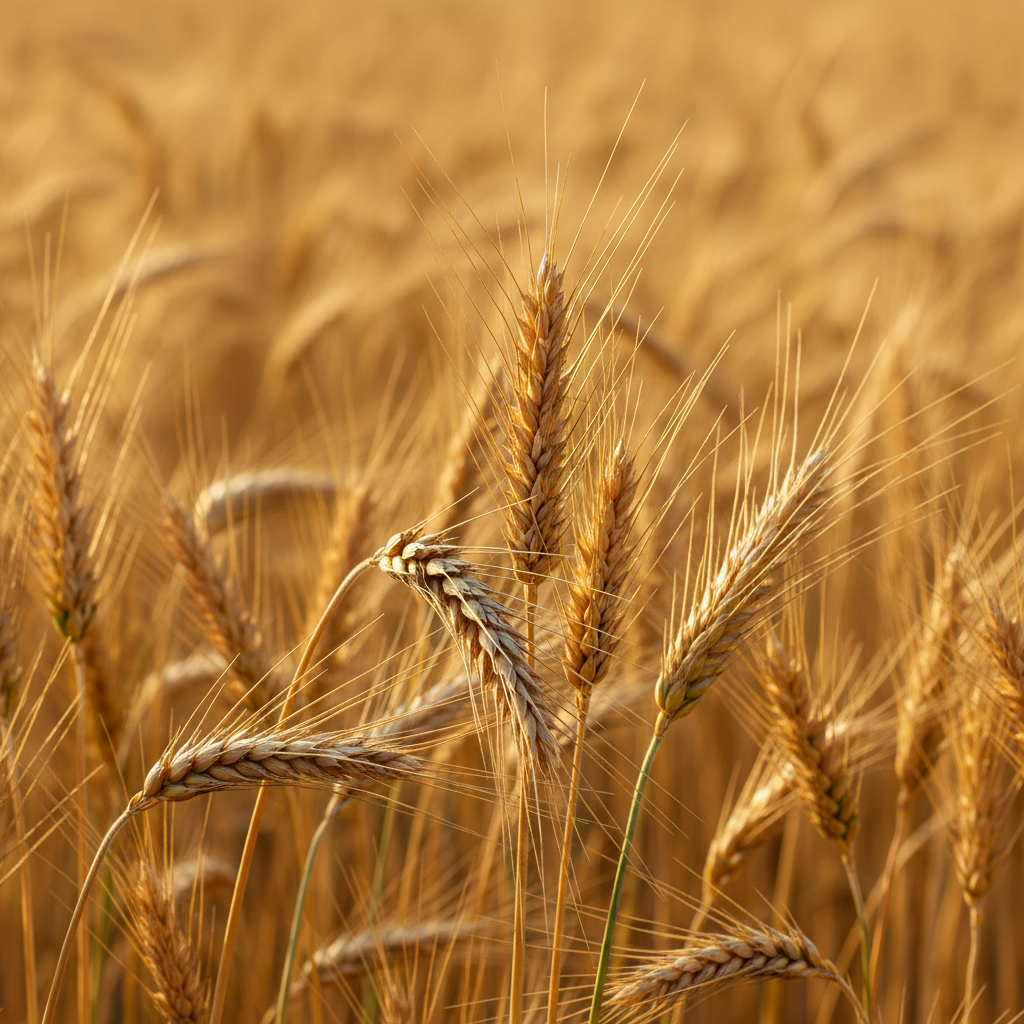
While annual grasses address immediate forage needs, long-term stability in Box Elder County depends on maintaining the soil itself. A frequently asked question among local producers is: what is a good crop to rotate with wheat? Triticale, a hybrid of wheat and rye, is an exceptional answer. Its superior winter hardiness allows for planting in late fall or early spring, enabling the crop to capitalize on Utah’s spring moisture before the peak evapotranspiration rates of mid-summer arrive.
Integrating triticale and other winter-hardy small grains into a rotation is a practical application of sustainable production and land stewardship. This practice is vital for breaking the life cycles of pests and diseases that specifically target continuous wheat stands. From a soil health perspective, these rotations prevent the depletion of specific nutrient profiles and improve the overall soil structure, increasing the field's capacity for water infiltration. For agricultural operations and resource management at Anders Farming, these rotations are not just about the current harvest; they are about preserving the land as a productive asset. By selecting the right drought tolerant crops Utah environments demand, growers can mitigate the risks of monoculture and build a more resilient foundation. To explore how these rotation strategies can be applied to your acreage, you can partner with Anders Farming for expert guidance.
The Economics of Transitioning to Drought Resistant Crops
In Northern Utah, the search for the most profitable crop often leads producers back to alfalfa due to its established market. However, the financial reality changes when irrigation water becomes scarce or pumping costs climb. During extended dry cycles, the input costs required to maintain high water use crops can exceed the ultimate value of the harvest, turning a staple crop into a financial risk. By shifting focus toward profitability through resource efficiency, growers can protect their margins from the volatility of water availability.
Choosing drought tolerant crops Utah growers can reliably harvest, such as safflower or triticale, significantly reduces the risk of total crop failure. These crops lower the overhead associated with agricultural operations and resource management by minimizing or eliminating the need for expensive pumping and supplemental irrigation. This makes the entire operation more scalable, as the grower is less dependent on fluctuating water allotments and rising energy prices.
Financial Factor | High Water Demand Crops | Drought Tolerant Alternatives |
|---|---|---|
Primary Risk | Total crop failure during shut-offs | Lower peak yield potential |
Input Costs | High pumping and labor costs | Minimal to zero irrigation cost |
Profit Strategy | Volume-driven margins | Resource efficiency and stability |
Equipment | Specialized for specific forage | Uses existing small grain infrastructure |
Investing in these transitions is a core component of sustainable production and land stewardship. It ensures that the land remains a productive asset even when the climate is uncooperative. To evaluate the economic impact of diversifying your current rotation, you can partner with Anders Farming for a practical assessment of your land’s potential.
Implementing Modern Farming Practices for Drought Resilience
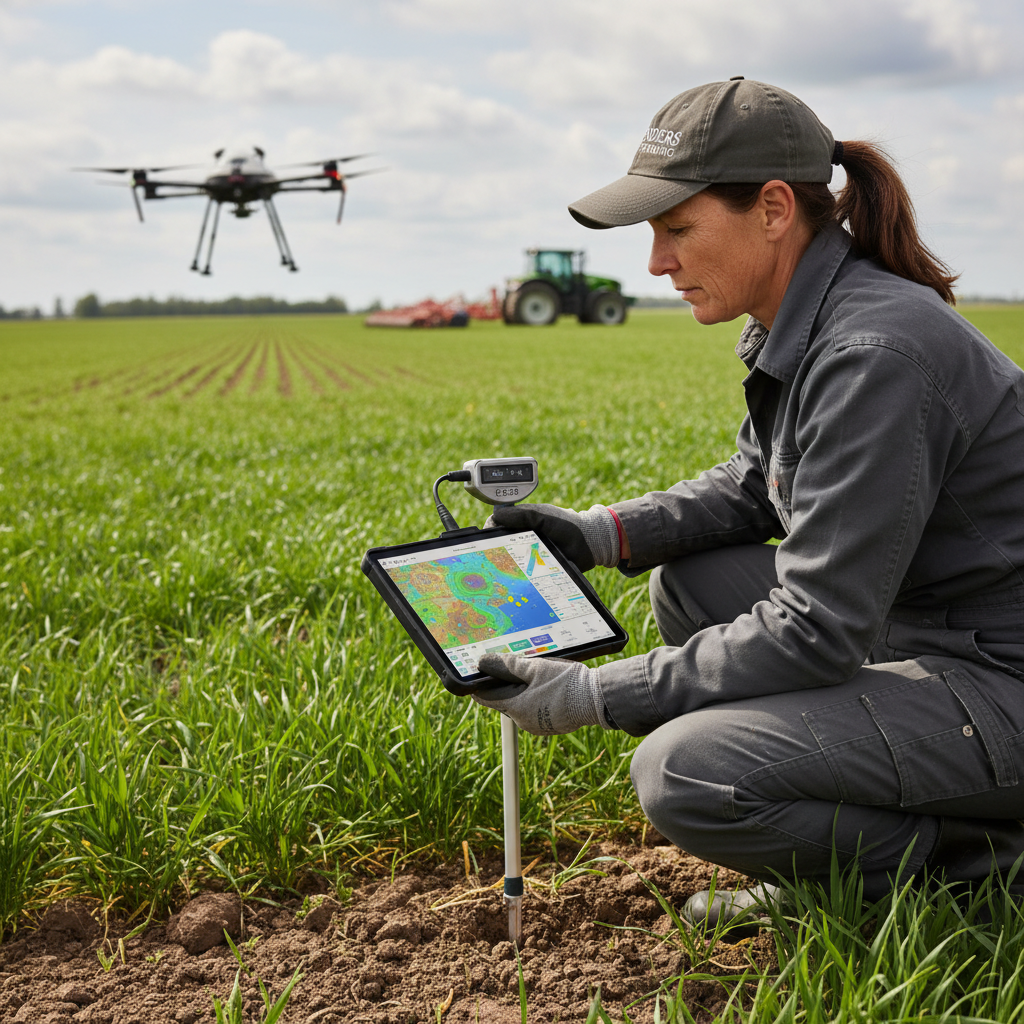
Moving beyond crop selection requires a commitment to data-driven management. At Anders Farming, we utilize precision agriculture to bridge the gap between traditional dryland techniques and modern efficiency. By deploying soil moisture sensors and plant health monitoring tools, we gain real-time insights into how different varieties respond to Box Elder County’s unique environmental pressures. This level of oversight ensures that drought tolerant crops Utah producers plant are not just surviving, but actively contributing to the farm's viability.
Effective land stewardship involves treating each field as a long-term asset rather than a static resource. Implementing diverse crop strategies, such as integrating winter-hardy triticale or deep-rooted safflower, protects the soil structure and maintains productivity through multi-year dry spells. Our focus on agricultural operations and resource management allows growers to scale their solutions without increasing their vulnerability to water shortages. By prioritizing sustainable production and land stewardship, we help stabilize yields even when precipitation is minimal. To develop a customized strategy for your operation, you can partner with Anders Farming to ensure your land remains productive for generations.