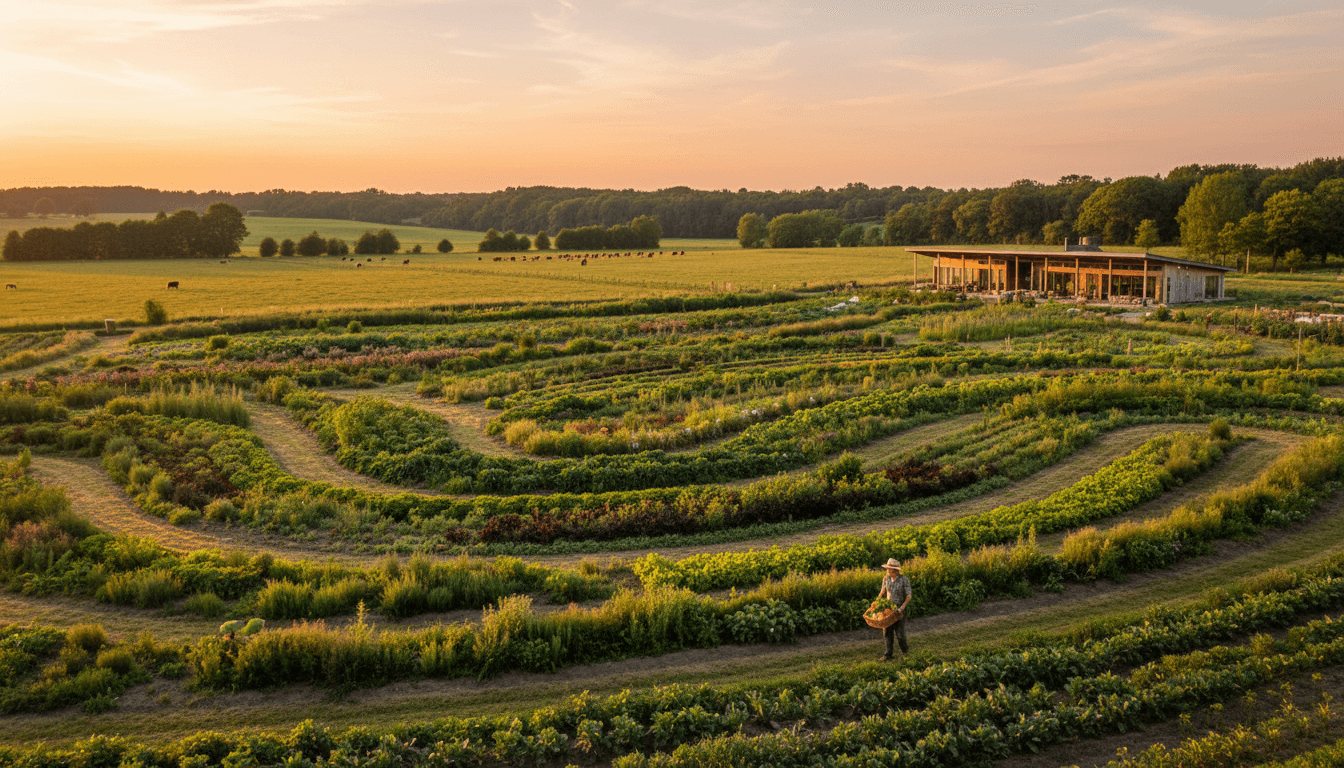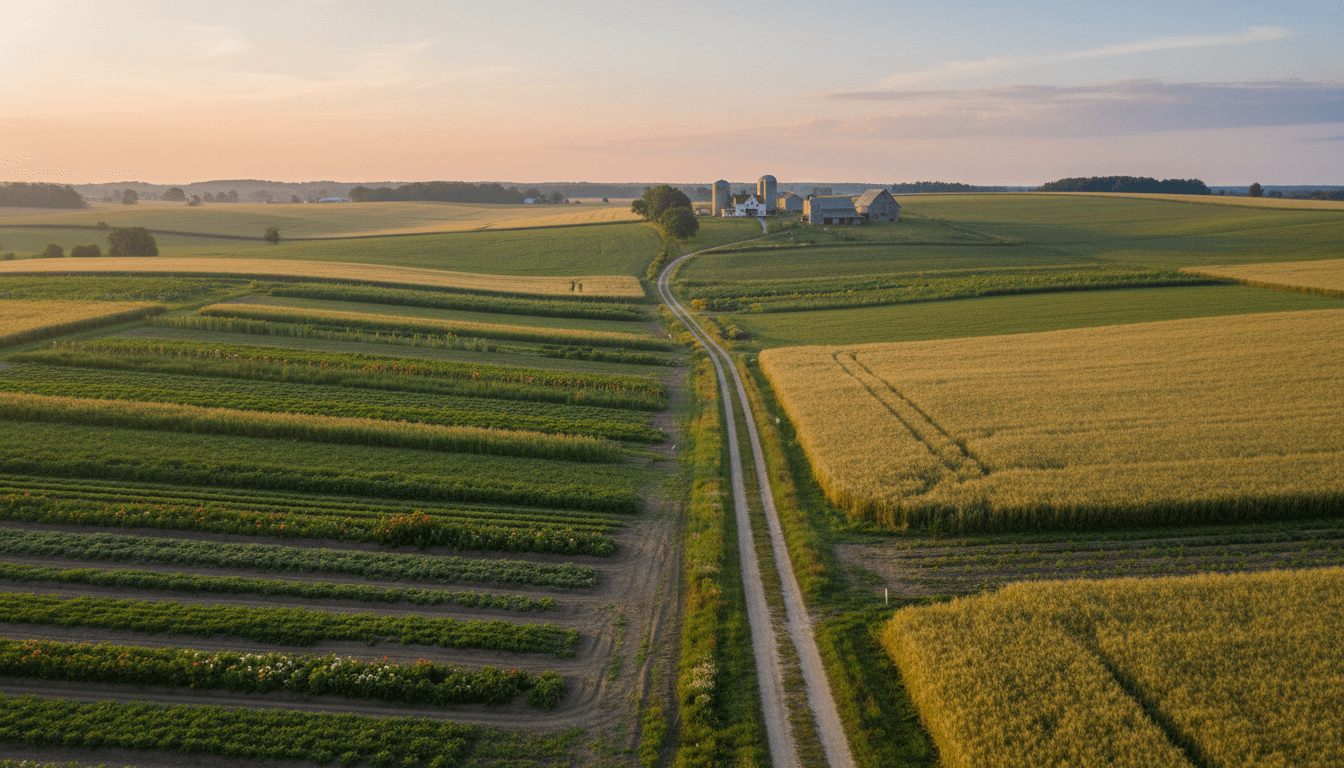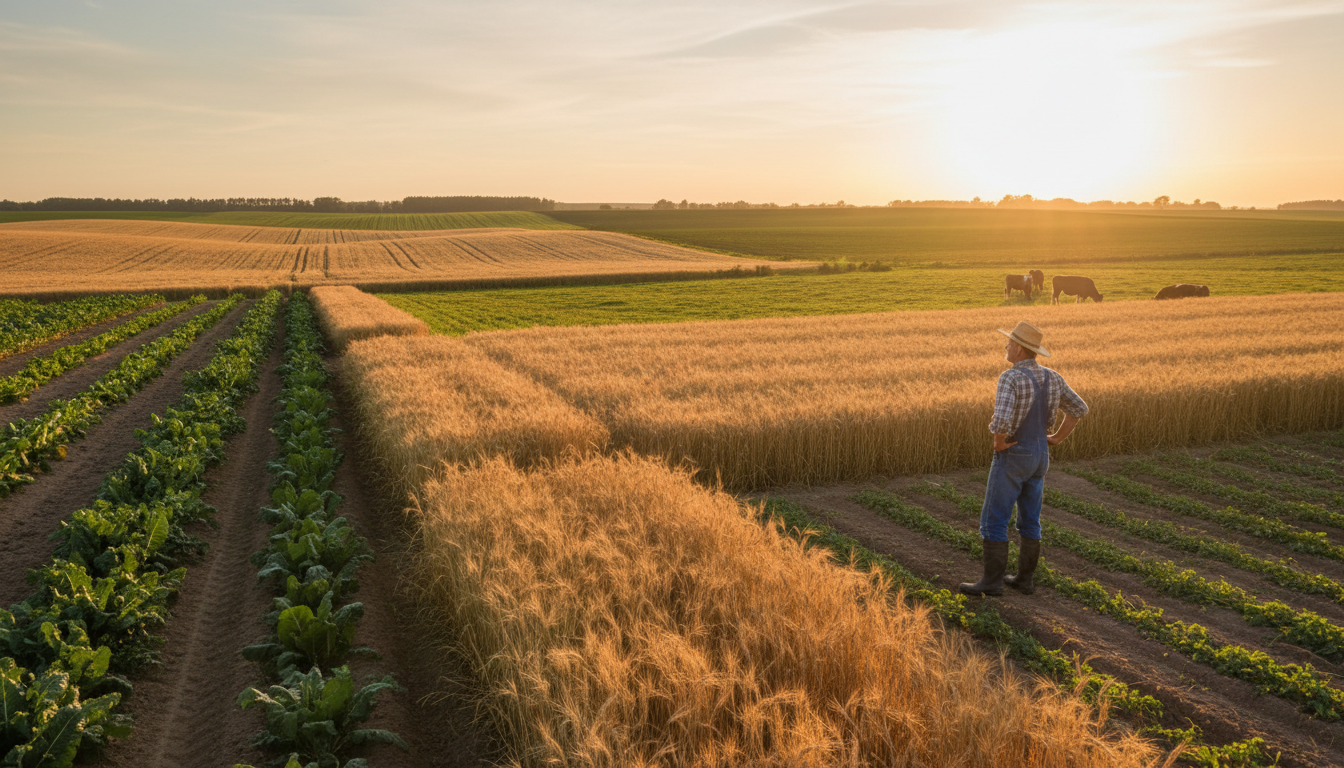
Regenerative agriculture Utah profitability is achieved by reducing costly chemical inputs and leveraging state financial assistance programs such as AgVIP and EQIP. Although crop yields may initially decline, the resulting lower overhead costs and increased soil resilience frequently lead to significantly higher net profit margins than conventional high-input systems.
Many Utah farmers feel trapped by the rising costs of synthetic inputs and the unpredictable nature of high desert yields. You might be interested in regenerative practices to improve your soil, but the fear of a three year profitability gap often halts progress before it begins. In our arid climate, where water is the primary constraint, every dollar spent on land stewardship must eventually return to your pocket. This guide moves beyond the idealism of soil health to address the hard economics of running a small or dryland operation in Box Elder County. We will examine why shifting your focus from gross yield to net margin is the only way to survive the transition period. You will learn about specific dryland strategies, Utah greenbelt tax considerations, and how precision tools can optimize your limited resources for long term financial stability.
The Economics of Regenerative Agriculture in the Utah High Desert
Operating a farm in the Utah High Desert requires a different financial calculus than in the Midwest. In Box Elder County, skepticism toward regenerative practices often stems from the harsh reality of our climate. We deal with alkaline soils, erratic precipitation, and intense evaporation rates that can make standard conservation advice feel out of touch. However, we view regenerative agriculture not merely as a list of conservation tasks, but as a strategic business model centered on soil health and resource efficiency.
While national studies suggest significant returns on investment, achieving regenerative agriculture Utah profitability requires accounting for local constraints like water scarcity and high desert soil profiles. At Anders Farming, we specialize in reliable agricultural operations that translate these ecological principles into fiscal stability. By focusing on sustainable production and land stewardship, we aim to move beyond the high-input cycle that often plagues arid-land farming. Utilizing modern farming practices tailored to Northern Utah allows us to treat soil as a biological asset rather than a static medium. This shift in perspective is the first step toward decoupling farm income from the volatile costs of synthetic inputs; it ensures the operation remains resilient against both drought and market fluctuations.
Shifting the Focus from Gross Yield to Net Margin
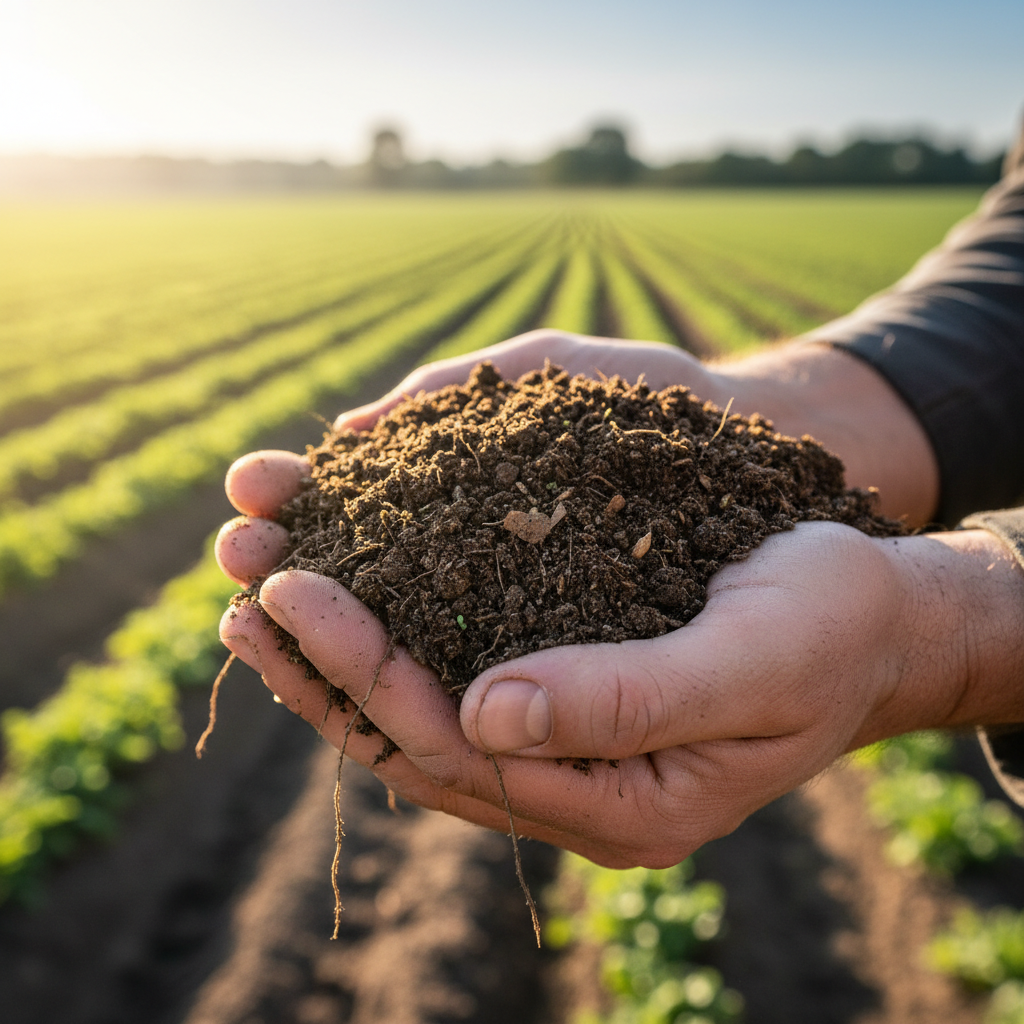
To understand the economic viability of this transition, we must pivot from measuring success by the bushel to measuring it by the bottom line. Traditional metrics often prioritize gross yield, yet high yields in the Utah desert frequently require expensive inputs that erode margins. Research into grain production has shown that while regenerative fields may produce roughly 29 percent less grain than conventional counterparts, they can be up to 78 percent more profitable. This disparity exists because regenerative systems focus on net margin rather than sheer volume.
The increase in profitability stems from a drastic reduction in operating expenses. By adopting modern farming practices like no-till or reduced tillage, we minimize fuel consumption and equipment wear associated with multiple tractor passes. More importantly, as soil biology recovers, the dependence on synthetic nitrogen and specialized herbicides decreases. The conventional treadmill forces producers to apply more inputs each year just to maintain stagnant yields against degrading soil health and increasing weed resistance. In contrast, sustainable production and land stewardship build a resilient system that does more with less.
For a producer in Box Elder County, where water and fertilizer costs are significant variables, these savings are transformative. We view reliable agricultural operations as those that can withstand market price drops for crops precisely because their per-acre production costs are lower. When you stop chasing the highest possible yield at any cost, you gain the flexibility to optimize for regenerative agriculture Utah profitability, ensuring the farm remains solvent during dry years and volatile markets.
Navigating the Transition Period: The Profitability Gap
Transitioning to these systems involves a period often called the Valley of Death. In Utah’s climate, soil biology does not rebound overnight. It typically takes three to five years for the microbiome to stabilize and for natural nutrient cycling to replace synthetic dependence. During this phase, yields might fluctuate while input costs are still being adjusted. While global groups like BCG highlight a 15 to 25 percent return on investment after the transition, the initial investment in cover crop seed or specialized equipment can stress cash flow if not managed carefully.
Managing this gap requires a disciplined, tiered approach. We recommend starting with a single field or a specific block to test how different cover crop mixes respond to your specific water availability. This allows you to refine your modern farming practices without overextending your capital. By integrating reliable agricultural operations on a smaller scale first, you can observe how soil structure changes before committing the entire acreage. This phased strategy mitigates risk while building the foundation for long term sustainable production and land stewardship. Achieving regenerative agriculture Utah profitability is a marathon; success depends on balancing the immediate need for revenue with the necessary time for biological recovery.
Specific Strategies for Dryland Profitability in Utah
To bridge the transition gap, we must focus on the most limiting resource in the High Desert: water. In Box Elder County, maximizing regenerative agriculture Utah profitability depends on capturing and storing every inch of precipitation within the soil profile. The most effective way to achieve this is through the incremental buildup of soil organic matter (SOM). Increasing SOM by just 1 percent can increase the soil's water holding capacity by up to 25,000 gallons per acre. This moisture buffer provides a critical insurance policy against our unpredictable rainfall cycles, allowing crops to thrive during dry spells that would otherwise result in total loss.
Successful dryland operations utilize low-water-use cover crops such as winter peas or cereal rye, terminated early to ensure they do not compete with cash crops for summer moisture. These modern farming practices provide armor for the soil, reducing evaporation rates and keeping soil temperatures cooler. Beyond moisture, these methods address the chronic soil salinity issues prevalent across Northern Utah. By improving soil structure and infiltration, we encourage the downward movement of salts through the profile, preventing them from wicking to the surface where they stifle germination.
Implementing these site-specific strategies ensures reliable agricultural operations that do more than just survive; they improve the baseline asset. By committing to sustainable production and land stewardship, producers directly influence the long-term appraised value of their land. A field that maintains productivity during a drought year through superior moisture retention is inherently more valuable than one dependent on high-cost, high-risk inputs.
Funding Your Transition: Utah Incentives and Grants

Securing this long-term value requires navigating the upfront capital costs of new equipment and seed. Fortunately, Utah producers have access to specific financial frameworks designed to offset these initial expenses. The Utah Agricultural Voluntary Incentive Program (AgVIP) is a primary local resource. It provides cost-sharing for producers who implement comprehensive nutrient management plans, helping to optimize soil health while protecting water quality in local watersheds. By participating in AgVIP, you receive financial support for modern farming practices that would otherwise be funded entirely out-of-pocket.
At the federal level, the Environmental Quality Incentives Program (EQIP), managed by the Utah NRCS, offers contracts to help cover the costs of no-till conversion, cover crop seeds, and efficient irrigation infrastructure. The Inflation Reduction Act has significantly bolstered these programs, providing additional technical assistance for reliable agricultural operations that focus on climate-smart production. For those asking what grants are available for Utah farms, the focus should be on these cost-share programs and the UDAF Soil Health Grant. These incentives are vital for maintaining sustainable production and land stewardship during the biological recovery phase. Utilizing these funds allows growers to bridge the cash-flow gap, ensuring that regenerative agriculture Utah profitability is achievable without overextending personal capital during the transition years.
Precision Agriculture: Is it Worth it for Small Operations?
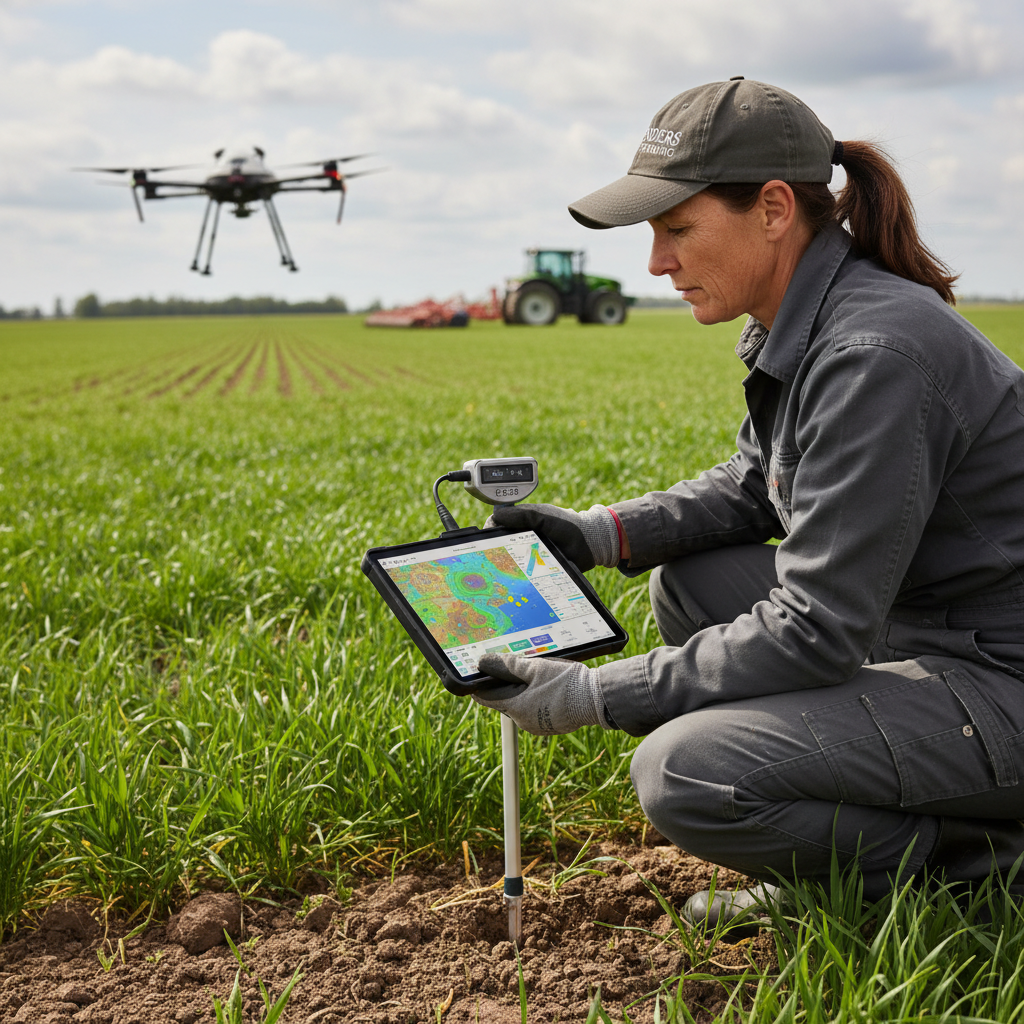
While grants provide capital, the specific regenerative agriculture tools you select determine long-term efficiency. Precision technology, such as variable rate application (VRA) and soil moisture sensors, is now accessible for small-to-medium operations in Box Elder County. These tools allow us to move away from blanket application methods. By pinpointing exactly where a field requires nutrient support or irrigation, we prevent the over-application of inputs that historically erodes profit margins.
At Anders Farming, we integrate these modern farming practices to ensure every resource is utilized to its maximum potential. Monitoring real-time soil data allows us to adjust management plans to maintain sustainable production and land stewardship without the waste of conventional methods. This targeted approach is vital for achieving regenerative agriculture Utah profitability, as it protects margins by ensuring inputs are only used when necessary. Our commitment to reliable agricultural operations involves using these scalable tools to bridge the gap between high-tech efficiency and localized land management.
Utah Greenbelt Requirements and Land Stewardship
The documentation provided by precision tools proves that regenerative management is a high-effort, professional system. To qualify for Greenbelt tax assessment in Utah, landowners must demonstrate that at least five contiguous acres are actively devoted to agricultural use. Regenerative practices, such as managed intensive grazing or specific crop rotations, satisfy this active use requirement just as effectively as conventional tillage.
These modern farming practices are the opposite of letting land go wild; they require deliberate planning and resource allocation. Maintaining this status is essential for regenerative agriculture Utah profitability, as it significantly lowers the annual tax burden on productive land. Furthermore, investing in sustainable production and land stewardship improves soil health, which can increase the long-term appraised value of the acreage. By running reliable agricultural operations that prioritize soil biology, growers ensure their land remains both tax-compliant today and more resilient for future generations.
Scalable Solutions for Box Elder County Farmers
Anders Farming provides the infrastructure and expertise needed to achieve regenerative agriculture Utah profitability without requiring every grower to reinvent the wheel. By offering scalable solutions for reliable agricultural operations, we help neighbors navigate the complexities of resource management and local supply chains. Success in Northern Utah relies on more than individual effort; it requires a commitment to sustainable production and land stewardship that treats soil as a biological investment rather than an expendable resource.
We assist partners in integrating modern farming practices that stabilize current margins while ensuring the high desert landscape remains productive. This balance between immediate revenue and long-term soil viability is the foundation of a resilient agricultural community. By focusing on site-specific data and shared local knowledge, we turn regional challenges into a sustainable business model for Box Elder County.
Regenerative farming in Utah is a marathon, not a sprint. While the path to profitability in our dry climate requires careful planning and a deep commitment to soil health, the rewards over the long term for your land and your bottom line are significant. If navigating these transitions feels overwhelming, you do not have to do it alone. If you want expert help tailored to your specific acreage, you can read more About how I support local growers. Together, we can build a resilient agricultural future.