Successfully buying used farm equipment requires matching machine horsepower to your specific operational needs and conducting a rigorous physical inspection of the engine, hydraulics, and undercarriage. Buyers should prioritize equipment with verifiable maintenance records and confirmed local parts availability to ensure long term reliability and cost effectiveness.
Expanding your fleet shouldn't feel like a gamble with your season's profit. For small scale and dryland operations, the capital required for brand new machinery often outweighs the immediate utility; this creates a significant barrier to operational growth. However, purchasing used equipment requires more than just a keen eye. It demands a strategic approach to ensure a machine delivers long term value rather than immediate downtime. In this guide, we examine how to identify the right horsepower for arid soils and how to conduct a thorough field inspection. We will also discuss the nuances of engine hours, the importance of local parts availability in Northern Utah, and the financial advantages offered by Section 179. By the end, you will have a clear roadmap for selecting reliable tools that respect your bottom line while meeting the unique demands of dryland farming.
Why Used Machinery is a Strategic Choice for Small Scale Growers
For growers operating within a monthly revenue range of $1,000 to $5,000, capital allocation is the most critical lever for long term survival. In Northern Utah, particularly for dryland operations in Box Elder County, moisture variability and unpredictable yields mean that margins remain tight. Overextending on new machinery creates a fixed debt load that persists regardless of harvest outcomes. Choosing to focus on buying used farm equipment is not just a cost saving measure; it is a fundamental strategy for risk management.
Acquiring pre owned machinery allows a small operation to scale its capacity while maintaining liquidity. Instead of committing to high interest payments on the latest models, growers can invest in reliable, older units that fulfill specific operational needs without the crushing depreciation of a new purchase. This approach supports efficient resource management by ensuring that capital stays available for other essential inputs like seed, soil amendments, or sustainable production technologies. By minimizing capital expenditure, growers insulate themselves against the lean years inherent to Utah agriculture, ensuring the operation remains resilient and adaptable to shifting environmental conditions.
Determining Your Equipment Needs: Size and Horsepower for Dryland Farming

Successful equipment selection starts with a hard look at your acreage and specific soil management goals. When buying used farm equipment, the temptation is often to purchase more horsepower than required, yet finding the right fit means prioritizing functionality over raw power. For many small operations in Northern Utah, a tractor in the 40 to 60 HP range represents the ideal balance. These machines provide sufficient torque for moisture conserving tillage and no-till drilling while remaining light enough to minimize soil compaction, a critical factor in sustainable production.
Before committing to a purchase, differentiate between essential needs and secondary desires. Evaluate if high capital tasks, like heavy land leveling or harvesting, can be custom hired more effectively. If a piece of equipment only runs for ten hours a year, the overhead of ownership often outweighs the convenience. By outsourcing these occasional high horsepower jobs, you can focus your investment on a versatile, reliable utility tractor that handles daily operations like mowing, light grading, or moving seed pallets.
Properly sizing your machinery directly impacts efficient resource management. An oversized tractor consumes excess fuel and increases mechanical wear when used for light tasks, whereas a 40 to 60 HP unit offers the maneuverability needed for smaller plots and specialized implements common in dryland farming. For specific advice on matching implements to your existing fleet or to discuss scalable solutions for your land, you can contact Anders Farming to review your operational requirements.
The Used Tractor Inspection Checklist: What to Look for in the Field
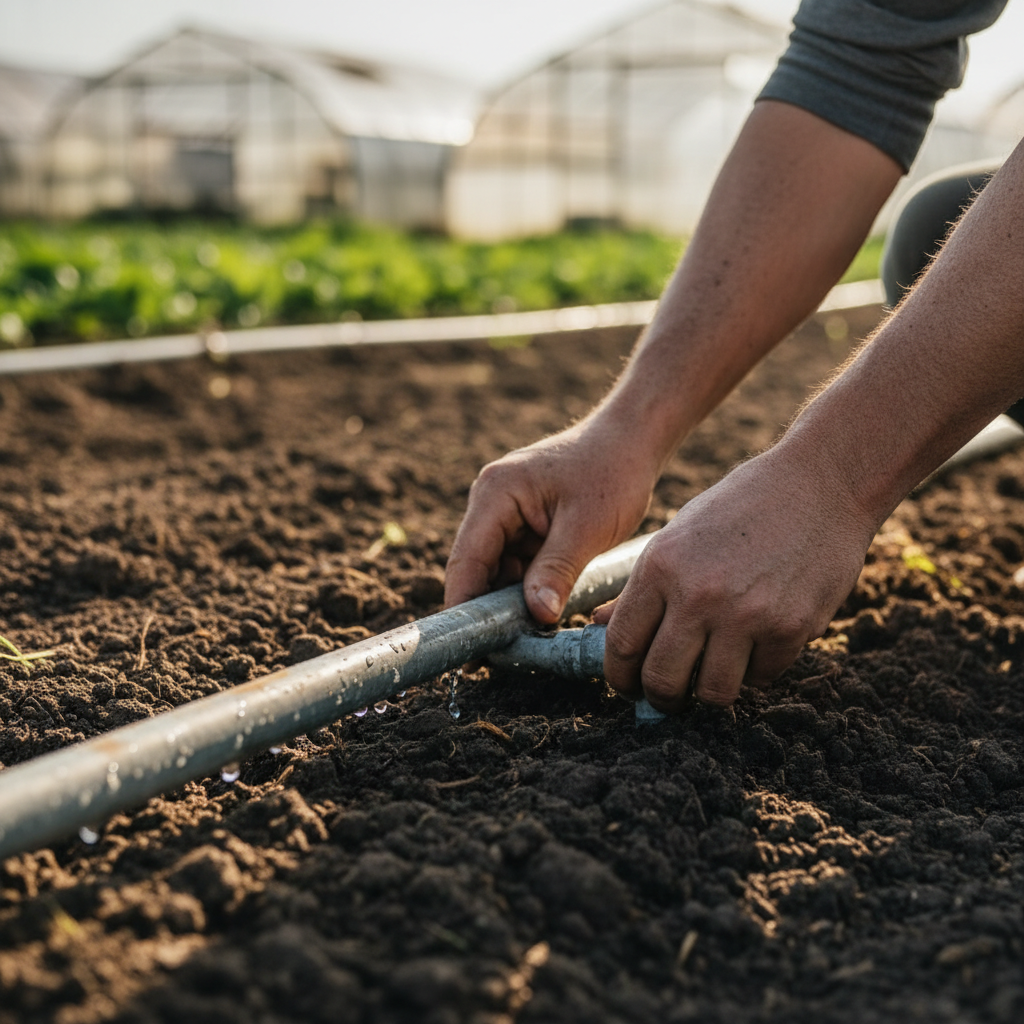
Once you have identified the right horsepower for your operation, the next step is a rigorous physical inspection. In the arid climate of Box Elder County, environmental factors often dictate the longevity of a machine as much as the hour meter does. A methodical evaluation helps ensure that buying used farm equipment leads to long term reliability rather than unexpected repair bills.
Field Inspection Checklist for Dryland Machinery
Component | What to Look For | Significance |
|---|---|---|
Engine Blow-by | Smoke or pressure from the oil fill cap while running | Indicates worn piston rings or internal engine wear |
Air Filtration | Dust accumulation in the intake tube behind the filter | Suggests the engine has been "dusted" by fine Utah silt |
Hydraulics | Pitting on cylinder rods or weeping seals | Pitted chrome destroys seals and leads to pressure loss |
Frame & Mounts | Hairline cracks or fresh welds near loader mounts | Signs of structural stress or exceeding lift capacities |
Corrosion | White oxidation or deep rust on the undercarriage | Evidence of salt exposure near the Great Salt Lake |
Tires | Tread depth and sidewall dry rot | High replacement costs can offset a low purchase price |
In Northern Utah, dust is a primary enemy. Always pull the air filter to check for heavy accumulation. If the intake tube feels gritty, the machine may have suffered internal abrasion, which shortens engine life regardless of reported hours. Additionally, salt related corrosion is a specific concern for equipment sourced near high salinity areas. Inspect electrical connectors and hydraulic lines for crusty buildup, as these issues often lead to intermittent failures that are difficult to diagnose later.
Performing this level of due diligence supports efficient resource management by protecting your capital from lemons. A machine that passes these field tests is far more likely to contribute to sustainable production without becoming a maintenance burden. If you are evaluating a specific piece of machinery and need an expert perspective on its suitability for local soil conditions, you can contact Anders Farming for guidance on equipment standards.
Decoding Engine Hours: When is a Machine Too Old?
Understanding the hour meter requires looking beyond the digits. While many buyers ask how many hours is good on a used tractor, the answer depends entirely on service discipline. For small operations, the 2,000 to 5,000 hour range often provides the best balance of price and remaining service life. However, a tractor with 4,000 hours that has undergone regular oil analysis and hydraulic fluid changes is a safer investment than a 1,500 hour machine with no records and original, degraded fluids. The latter likely suffered from internal condensation and seal failure due to sitting idle, which is often harder to fix than wear from active use.
When buying used farm equipment, distinguish between a truly clean machine and one that has been power-washed to mask chronic issues. A tractor that has been recently hosed down will often have water droplets in electrical looms or a suspiciously uniform lack of dust in hard to reach crevices. Genuine maintenance is visible in the consistency of fresh grease at pivot points and the absence of charred oil smells near the manifold. If the engine block is spotless but the hydraulic hoses show signs of perishing, the seller may be hiding leaks that only appear under load. Prioritizing machines with verifiable service logs ensures efficient resource management and supports the long term goals of sustainable production on your land. If you need a second opinion on a specific unit's condition, you can contact Anders Farming to discuss equipment longevity and operational fit.
Parts Availability and Local Support in Northern Utah
Evaluating a machine’s mechanical state is essential, but local infrastructure determines how quickly you can return to the field when a component fails. In Box Elder County, the proximity of dealerships in Tremonton, Logan, or Brigham City should heavily influence your brand choice. Buying used farm equipment from an orphan brand, a manufacturer with no local dealer network or parts distribution, often results in a lower sticker price but creates significant long term risk. During a narrow planting window for dryland wheat, waiting two weeks for a specialized hydraulic fitting to arrive from overseas is not a viable option.
Before finalizing a sale, consult with independent mechanics in Northern Utah to confirm which brands they are equipped to service. Local shops often stock common filters and wear parts for major domestic brands but may lack the proprietary diagnostic software for obscure imports. This logistical foresight is a pillar of efficient resource management, ensuring your investment supports sustainable production rather than becoming a liability during harvest. If you are uncertain about the support network for a specific model, you can contact Anders Farming for insights into local parts availability and technician expertise.
Navigating the Financials: Section 179 and Leasing Options
Navigating the financial side of buying used farm equipment requires understanding how the tax code supports capital investment. Section 179 of the IRS tax code is a significant tool for small operations in Northern Utah, as it allows for the immediate expensing of the full purchase price of equipment, rather than depreciating it over several years. While many believe this only applies to brand new machinery, it also covers used equipment, provided the machine is new to your operation and not purchased from a related party. To qualify for the current tax year, the equipment must be placed in service by December 31. This means the tractor or implement must be on your property and ready to work; simply paying for it or having it sit at a dealership for repairs does not satisfy the requirement.
When evaluating how to fund these acquisitions, you must weigh the merits of leasing versus traditional purchasing. For a grower with a monthly revenue between $1,000 and $5,000, leasing can offer lower upfront costs and predictable monthly payments, which preserves cash for seasonal inputs. However, buying used equipment builds equity. In dryland farming, where equipment often has a long operational life due to lower annual hour accumulation, owning the asset outright creates a tangible value that can be leveraged for future expansion. This equity contributes to efficient resource management by strengthening the farm’s balance sheet. Choosing the right path depends on your current cash flow and long term goals for sustainable production. If you are calculating the potential ROI on a specific piece of machinery, you can contact Anders Farming to discuss how different equipment choices impact operational efficiency.
Sustainability and Resource Efficiency in Machinery Selection
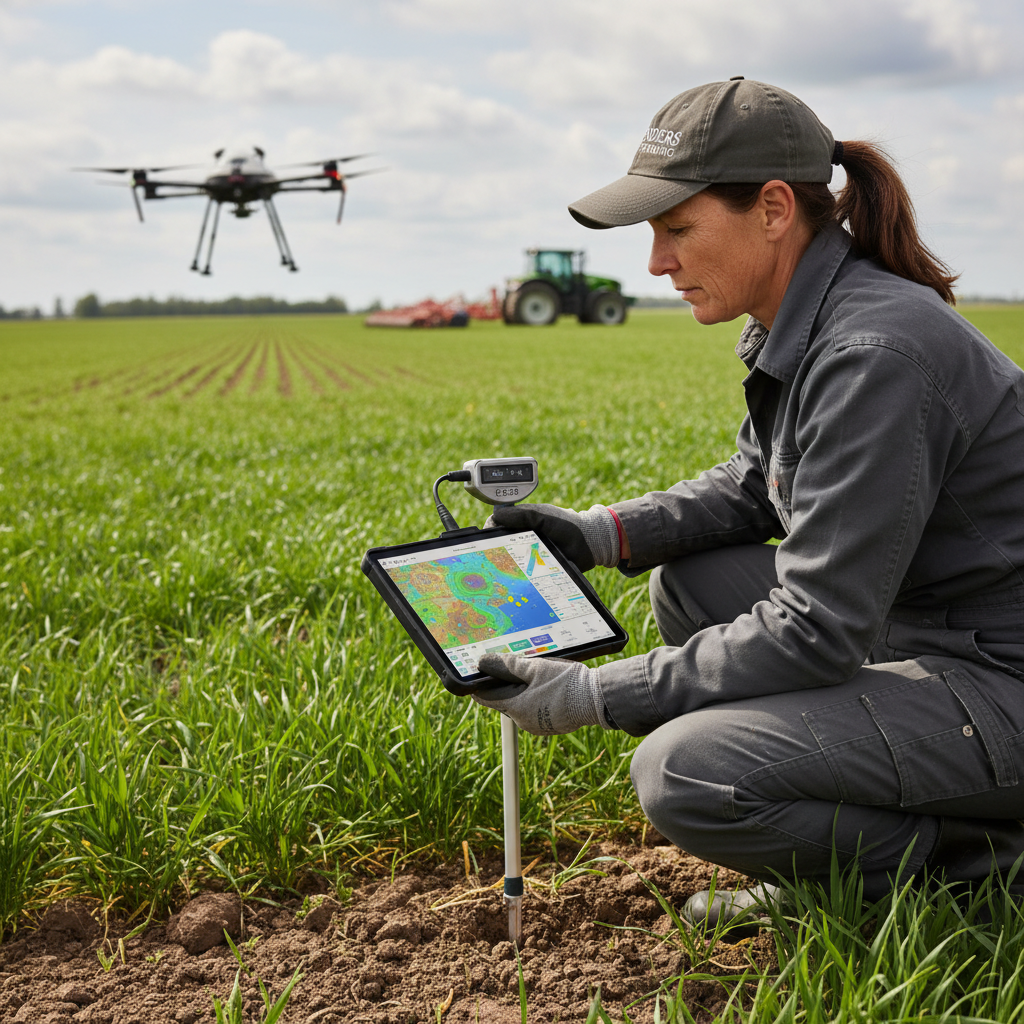
Beyond the financial return on investment, the long term health of your acreage depends on the physical footprint of your machinery. When buying used farm equipment, sustainability is achieved by matching the weight and width of the machine to the specific vulnerabilities of your soil. In the arid environment of Box Elder County, heavy industrial tractors often lead to deep soil compaction, which restricts root development and reduces water infiltration in dryland systems. Selecting lighter, appropriately sized utility tractors helps maintain soil structure and supports sustainable production by protecting the biological integrity of the ground.
Resource efficiency also manifests in fuel consumption and the frequency of mechanical passes. An oversized machine idling through light chores wastes diesel and increases operational overhead. By prioritizing used implements designed for low till or no till practices, you minimize unnecessary soil disturbance, which is critical for moisture retention. This commitment to efficient resource management ensures that every hour on the meter contributes to land stewardship. To discuss selecting implements that preserve your specific soil profile, you can contact Anders Farming for expert guidance on equipment scaling.
Investing in used equipment for a dryland operation requires a sharp eye for mechanical detail and a firm grasp of your land's specific needs. While the right purchase saves money, the process can be complex and time consuming. If you want expert help selecting the perfect machinery for your unique situation, you can read more About our approach to equipment sourcing. We are here to help you build a reliable fleet that supports the long term success of your small farm.