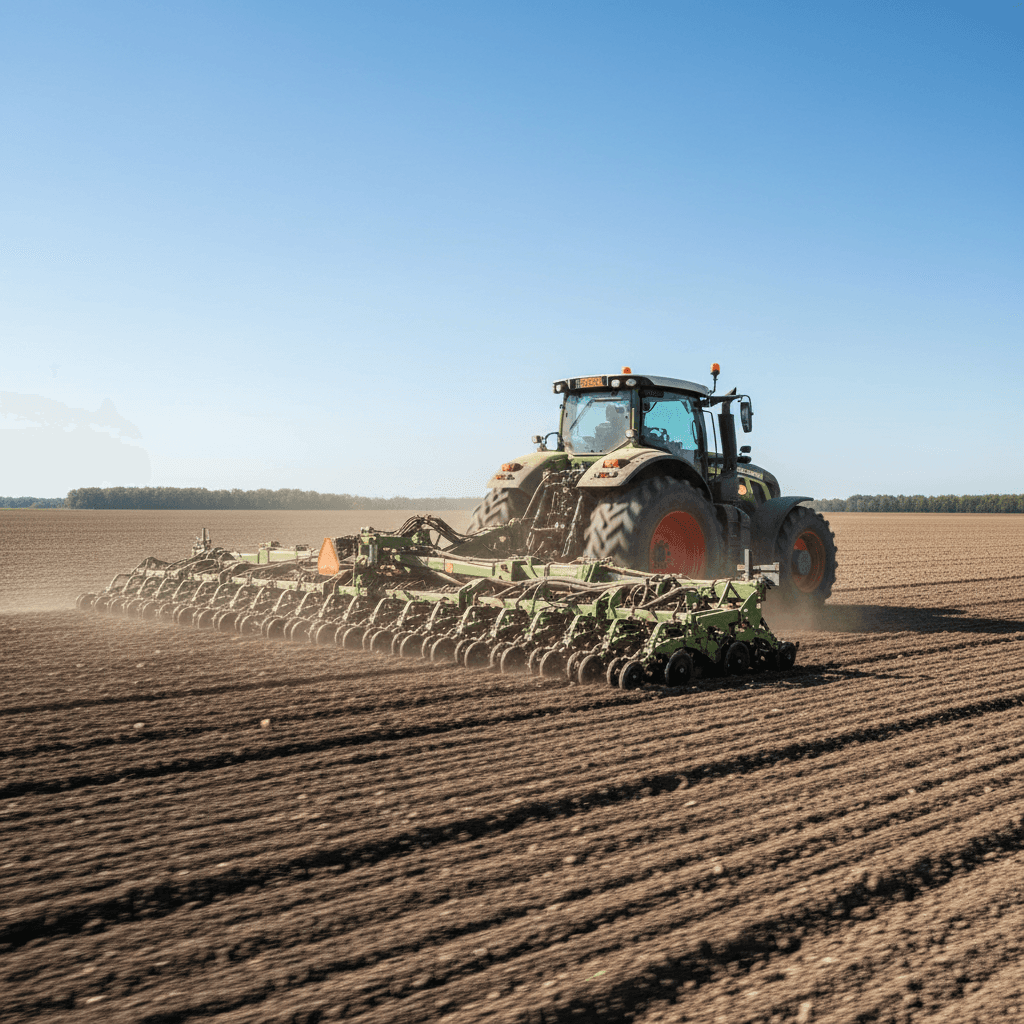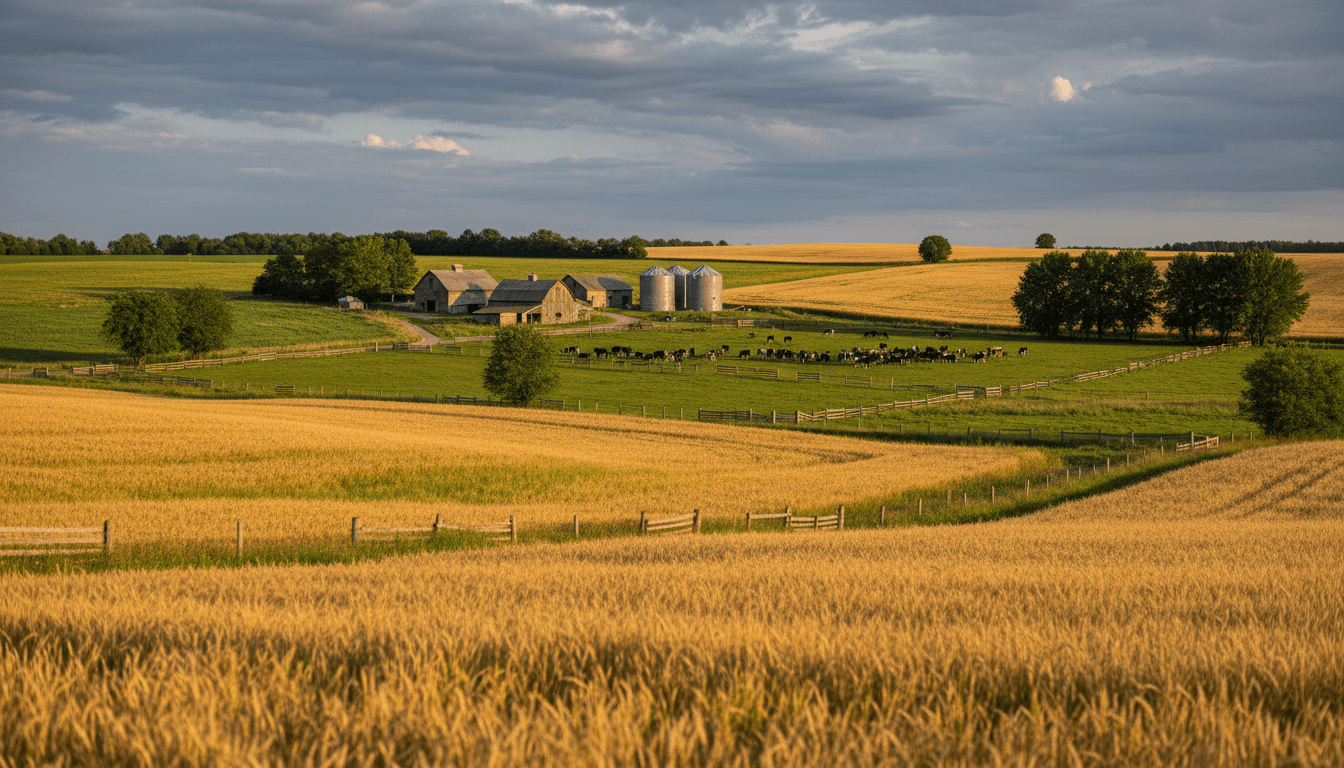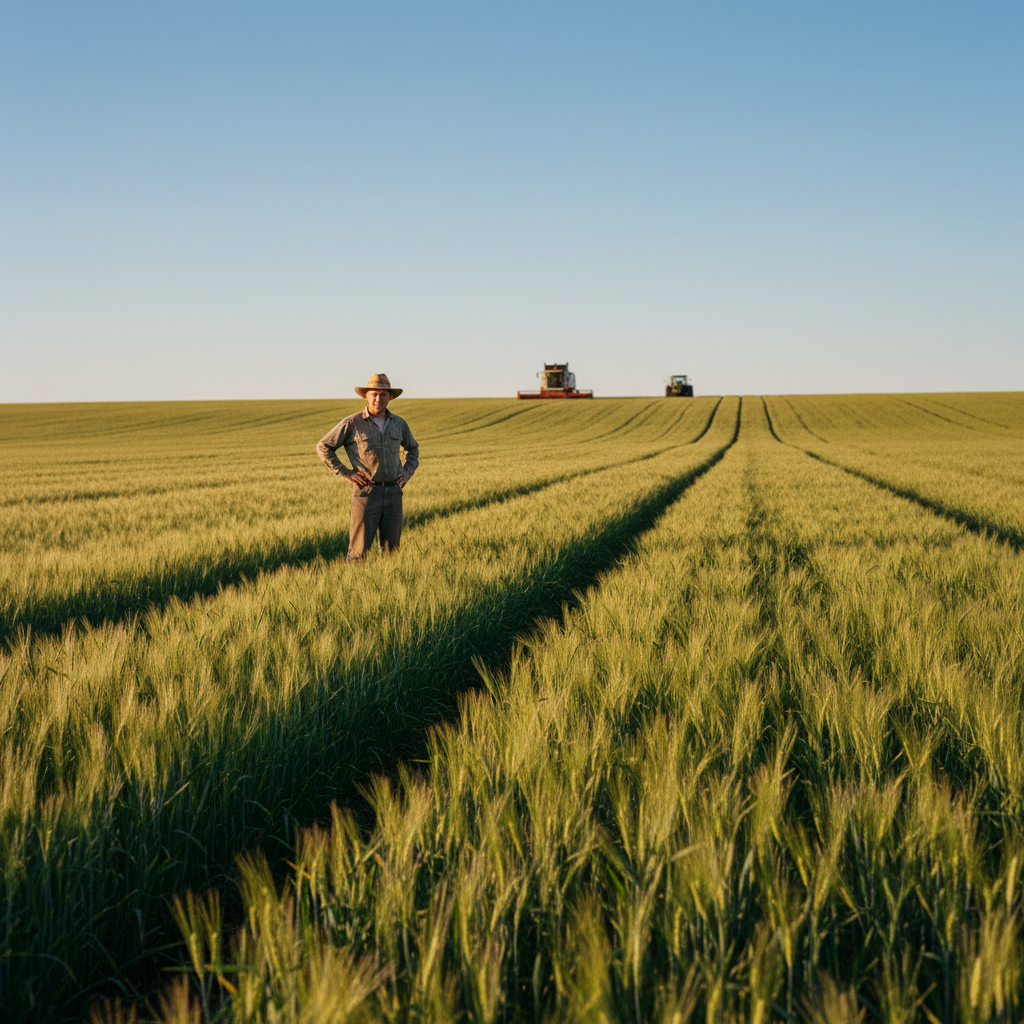
Small producers can improve profitability by utilizing direct-to-consumer sales channels like subscription farming and local farmstands to secure prices above wholesale rates. Successful crop marketing for small farms also depends on maintaining consistent communication with customers and accurately calculating production costs to navigate market dynamics effectively.
For many small-farm operators in Utah, the most challenging work begins after the harvest is secured in the bin. You spend the entire growing season battling unpredictable mountain weather and rising input costs, yet you may still feel like a price-taker at the mercy of volatile markets. This disconnect often forces growers to accept whatever the local elevator offers, leaving hard-earned margins on the table. True profitability requires shifting your mindset from production alone to strategic marketing. In this guide, we analyze how to calculate your cost of production to set firm price targets. We also explore the 33-34-33 grain marketing approach, the mechanics of forward contracts and put options, and how to leverage storage and technology to capture better premiums. By professionalizing your sales strategy, you ensure that your stewardship of the land translates into a sustainable, profitable business.
Understanding the Fundamentals of Crop Marketing for Small Farms
Effective crop marketing for small farms represents a comprehensive, year round strategy rather than a single event at harvest. For Anders Farming operations, this process integrates price discovery, risk management, and precise timing to ensure that every acre remains profitable. It requires moving beyond the simple act of selling and instead focusing on how to navigate market shifts long before the crop is even in the bin.
Small operations in Utah face distinct hurdles that require a localized approach. Dryland farming in Box Elder County involves significant yield volatility due to erratic precipitation, making it difficult to predict exactly how many bushels will be available for contract. Furthermore, local market logistics often mean fewer delivery points compared to the Midwest grain belt, which places a premium on transportation efficiency and storage.
Understanding these fundamentals requires distinguishing between two primary pathways. Commodity marketing, typical for small grains like wheat or barley, focuses on managing price fluctuations in a global market where the farmer is often a price taker. In contrast, direct marketing for specialty crops emphasizes capturing higher margins by selling closer to the end consumer. Both approaches rely on sustainable production to maintain grain quality, but the tactics for securing a fair price differ significantly. Successful marketing starts with a plan that accounts for these regional realities while protecting the farm’s long term financial health.
The Vital First Step: Calculating Your True Cost of Production

Developing an effective strategy for crop marketing for small farms is impossible without an accurate break-even analysis. You cannot determine a target price or evaluate a forward contract if you do not know the exact cost of every bushel or ton coming off the field. In Box Elder County, where margins are often squeezed by environmental factors, knowing your Cost of Production (COP) is the only way to move from speculative selling to disciplined business management.
To calculate your COP, you must aggregate both variable and fixed expenses, then divide that total by your expected yield. For Anders Farming operations, this means looking beyond the obvious invoices. Variable costs include seed, fuel, fertilizer, and specific water management expenses, which are significant in our arid climate. Fixed costs are often overlooked but equally vital; these include land taxes, equipment depreciation, insurance, and interest payments.
Cost Category | Examples for Utah Small Farms |
|---|---|
Variable Costs | Seed, fuel, water assessments, seasonal labor, soil amendments |
Fixed Costs | Land taxes, equipment depreciation, farm insurance, loan interest |
Calculated COP | (Total Variable + Total Fixed) / Total Estimated Yield (Bushels/Tons) |
In Northern Utah, the link between resource management and financial margins is direct. Investing in sustainable production through soil health initiatives, such as cover cropping or reduced tillage, eventually lowers variable costs by improving water retention and nutrient cycling. Higher water efficiency doesn't just lower the monthly utility or pumping bill; it stabilizes the yield denominator in your COP equation, protecting you against the price spikes that occur when production drops. If you need help evaluating your operation's efficiency, feel free to contact us for agricultural solutions.
Strategic Grain Marketing: The 33 34 33 Approach

Once you have established your break-even point, the next step in crop marketing for small farms is executing a sales timeline that reduces emotional decision-making. A disciplined approach, such as the 33-34-33 strategy, divides your estimated total production into three distinct selling windows. This method prevents the common mistake of selling the entire crop during harvest when local elevators are often flooded and prices are seasonally suppressed.
Phase | Timing | Objective |
|---|---|---|
Phase 1: Pre-Harvest | Late Spring / Early Summer | Lock in 33% of expected yield to hedge against mid-summer price drops. |
Phase 2: Harvest | Immediate Delivery | Sell 34% for immediate cash flow to cover seasonal variable costs. |
Phase 3: Post-Harvest | Mid-Winter Storage | Sell the final 33% during price rebounds or basis improvements. |
For Anders Farming operations, Phase 1 involves monitoring winter wheat or barley futures in late spring. Locking in a price for a portion of your expected yield provides a safety net. In Box Elder County, we caution against overcommitting pre-harvest due to dryland yield variability; pricing 33% is generally a safe ceiling that accounts for potential moisture deficits.
Selling the second portion at harvest generates the liquidity needed to pay down operating notes or cover equipment expenses. The final third is moved into storage. By waiting until the post-harvest rush subsides, typically between January and March, you can often capture higher prices as market supply tightens. This staggered entry ensures you are not gambling your entire year of labor on a single day's spot price, providing the financial stability necessary for sustainable production in a volatile climate. If you are looking to refine your farm's sales schedule, feel free to contact us for agricultural solutions.
Common Grain Contracts: Forward Contracting and Put Options
Navigating the various types of contracts is the next step in refining crop marketing for small farms. While cash sales are straightforward, sophisticated contracts allow growers to isolate different components of the price to better manage risk. A forward contract sets a fixed price for a specific volume to be delivered at a future date. In contrast, a hedge to arrive (HTA) contract locks in the futures price while leaving the basis open, whereas a basis contract locks in the local price spread while allowing the futures component to be set later.
Contract Type | What is Locked? | Best Used When... |
|---|---|---|
Forward Contract | Total Price | You are satisfied with current market levels. |
Hedge-to-Arrive | Futures Price | You expect the local basis to improve before delivery. |
Basis Contract | Local Basis | You expect the global futures market to rally. |
A common question among growers is, "What is a put in grain marketing?" Simply stated, a put option acts as price insurance. By paying a premium, you establish a price floor. If the market drops, the option protects your minimum revenue; if the market rises, you are not obligated to deliver at the floor price and can instead capture the higher market value.
For Anders Farming operations, we recognize the inherent risks in these tools. Forward contracts carry a firm duty to deliver. In the volatile dryland conditions of Box Elder County, a severe drought could leave a farmer unable to meet their contracted bushels, forcing them to buy expensive grain on the open market to fulfill the obligation. Balancing these contracts with sustainable production and conservative volume estimates is vital to avoid over-commitment. For guidance on selecting the right tools for your specific acreage, contact us for agricultural solutions.
Direct Marketing Options for Utah Growers
Shifting from commodity contracts to direct sales offers a pathway to higher margins by capturing the retail premium. For many Anders Farming operations, this strategy reduces reliance on fluctuating elevator prices and builds direct relationships with the local community. Utah growers have access to robust outlets, including the Utah Farm Bureau Farmers Markets in Murray Park and South Jordan. These venues are ideal for selling specialty grains, flours, or seasonal produce directly to consumers who prioritize local sourcing and transparency.
Beyond traditional markets, subscription farming through a Community Supported Agriculture (CSA) model provides upfront cash flow, which is vital for managing early season expenses. Farmstands offer another low overhead solution, allowing growers to sell at their own pace without the constant logistics of transport to a central hub. These methods allow for price setting based on value rather than the global futures market.
When engaging in direct crop marketing for small farms, growers must navigate specific regulatory frameworks. The Utah Department of Agriculture and Food (UDAF) maintains distinct requirements for selling grains as food versus seed. Grain sold for human consumption requires specific food grade handling and facility inspections; conversely, seed sales involve rigorous germination and purity testing. Adhering to these standards ensures both legal compliance and the sustainable production of high quality goods. If you need help navigating local market regulations or diversifying your sales channels, contact us for agricultural solutions.
Leveraging Technology and Storage for Better Timing
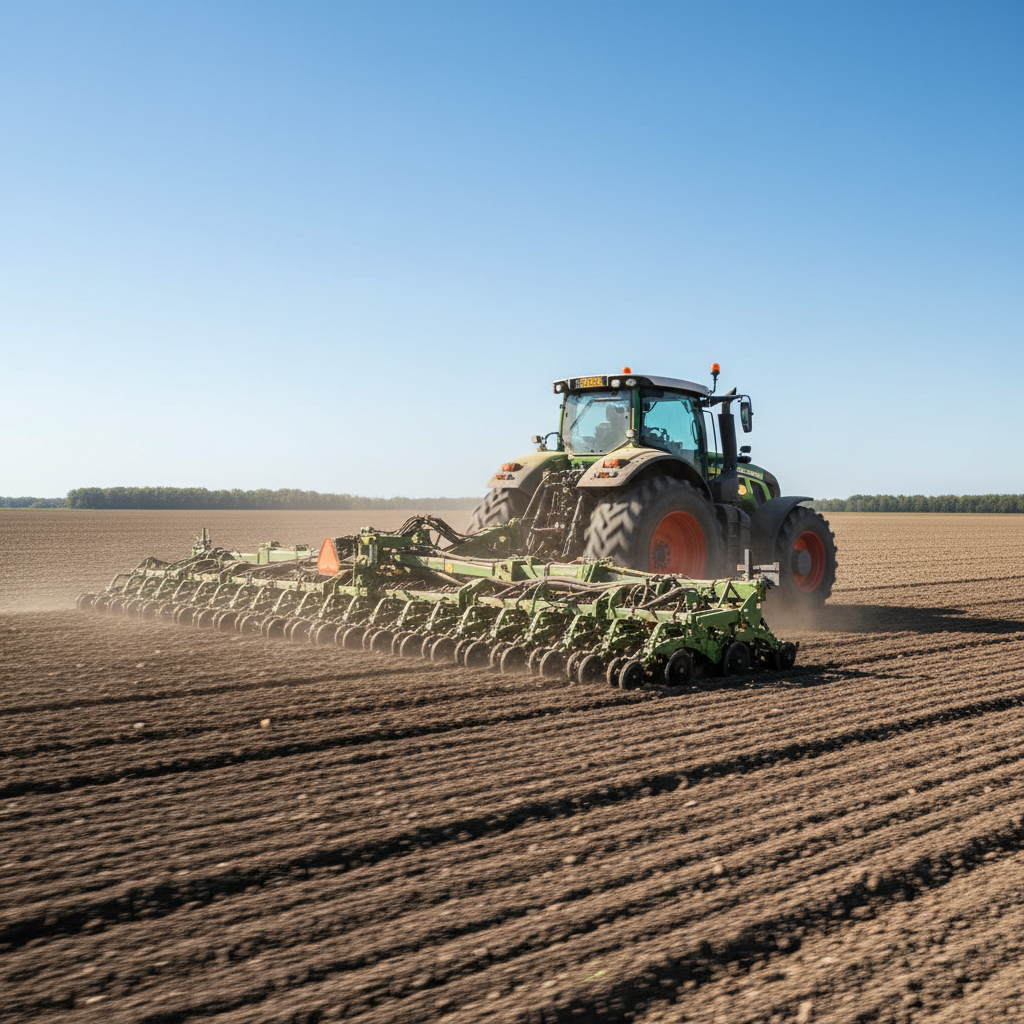
Modern crop marketing for small farms relies heavily on data rather than guesswork. By utilizing precision agriculture tools such as field monitoring and soil moisture sensors, growers can generate accurate yield forecasts mid season. For Anders Farming operations, these insights are vital for determining safe thresholds for forward contracting. In a region where moisture levels fluctuate, knowing your probable output prevents the financial trap of over promising grain that the land cannot produce.
On farm storage is the most effective physical tool for improving market timing. Without bins, growers are often forced into selling across the scale; this means accepting the lowest seasonal prices at harvest just to move the product. Storage allows you to hold grain until local basis levels improve or supply shortages occur in mid winter. This flexibility is a cornerstone of sustainable production, as it maximizes the value of every bushel harvested without requiring an increase in acreage.
Precision management also directly impacts grain quality. Tight resource efficiency, particularly in water and nutrient application, results in higher test weights and consistent protein levels. These attributes allow small operations to step away from generic commodity markets and target niche local supply chains that pay premiums for verified quality. If you want to integrate these technologies into your workflow to better time the market, contact us for agricultural solutions.
Building a Brand Around Stewardship and Quality
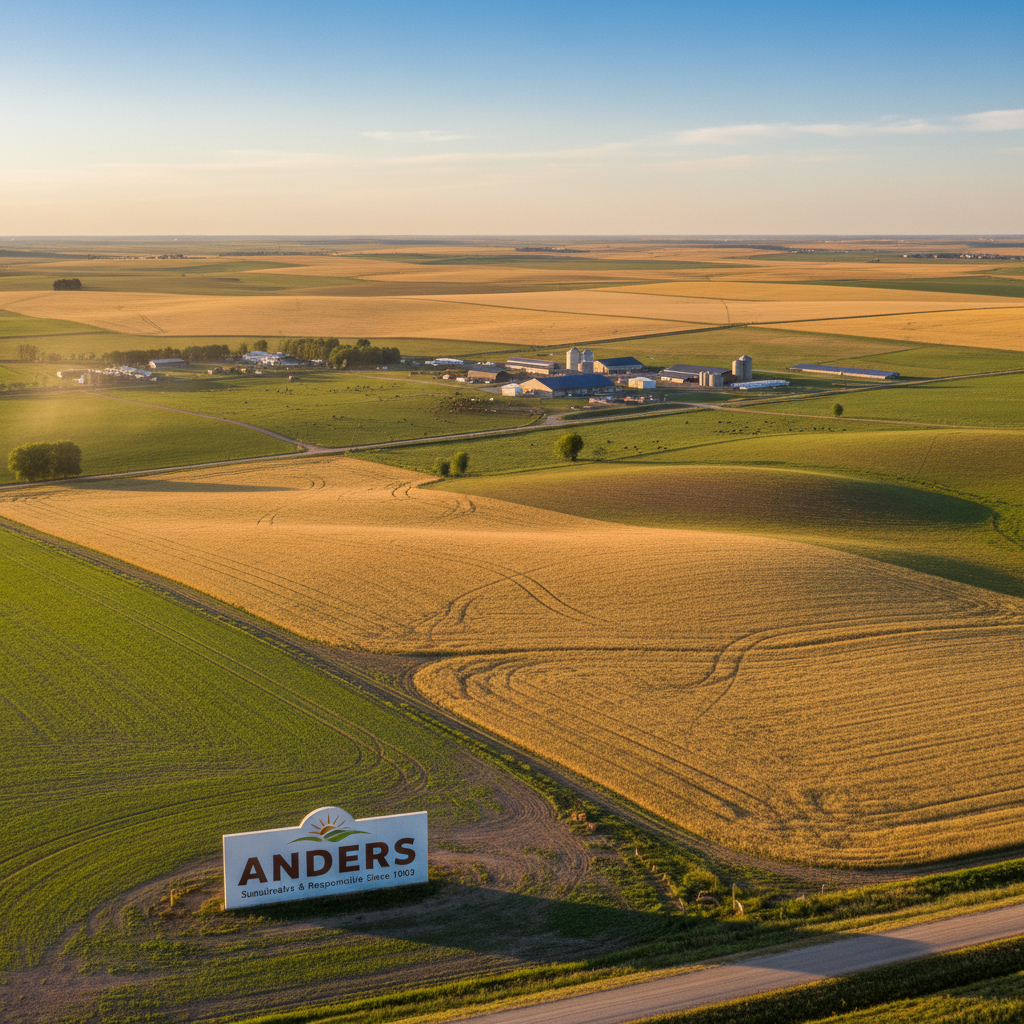
In the context of crop marketing for small farms, the final piece of the puzzle is differentiation. Small operations in Box Elder County cannot compete with the sheer volume of global commodity conglomerates; instead, we compete on the integrity of our process. At Anders Farming operations, we focus on land stewardship and sustainable production as the foundation of our brand. When you document your soil health initiatives or water conservation efforts, you are not just managing resources. You are building a value proposition that resonates with specific buyer segments.
Local buyers, including regional millers, specialty bakers, and boutique retailers, often pay a premium for crops grown with responsible resource management. These partners value the transparency and consistent quality that come from smaller, focused operations. This connection between operational values and marketing success allows a farm to exit the race to the bottom on price. By positioning your farm as a partner in local supply chains rather than a nameless producer, you secure more stable, higher margin contracts that reflect the true value of your labor. If you are interested in how stewardship practices can improve your farm’s marketability, contact us for agricultural solutions.
Mastering crop marketing in Utah is about more than just finding buyers; it involves understanding local trends and timing your sales to capture the best value. Implementing these strategies will help you build a more resilient and profitable farm business over time. If you want expert help navigating these market shifts, our team can provide the personalized guidance you need. You can learn more about our mission and experience to see how we support small-scale producers across the state.