The H-2A visa program for small farms enables Utah growers to secure legal seasonal labor by hiring foreign workers when local recruitment efforts fail to meet their needs. To utilize this program, farm owners must provide workers with free housing and transportation, guarantee 75 percent of the work hours specified in the contract, and pay the required Adverse Effect Wage Rate. This structured approach provides a dependable solution to agricultural labor shortages while ensuring full compliance with federal worker protection laws.
Finding reliable seasonal help in Utah has become one of the most significant stressors for local growers. For a small operation, a single missing crew member during peak harvest can mean the difference between profit and loss. You need workers who show up, understand the rigors of the field, and stay until the last row is picked. The H-2A visa program is often dismissed as a tool exclusive to industrial operations; however, it remains the most reliable legal path for securing a stable workforce in our region. This guide breaks down the complexities of the program through a practical lens. We will examine Utah specific wage rates, housing mandates, and the logistical realities of compliance. You will also learn how small growers can leverage joint employer agreements to make the program financially viable while supporting long term land stewardship.
The Realities of the Farm Labor Shortage in Utah
Agricultural operations in Box Elder County and across Northern Utah face an escalating challenge: a shrinking local labor pool for seasonal field work. While large-scale growers have utilized specialized labor programs for decades, smaller family operations are now feeling the direct impact of local labor scarcity. This shortage complicates the ability to maintain sustainable production and meet the demands of local supply chains. When domestic recruitment efforts fail to fill vacancies during peak planting or harvest windows, the viability of the entire season is at risk.
The H-2A visa program for small farms offers a legal pathway to secure temporary, seasonal help. Specifically, the program allows U.S. agricultural employers who anticipate a shortage of domestic workers to bring foreign nationals to the United States for labor that is tied to a specific season or event, usually for a duration of ten months or less. This includes tasks ranging from the cultivation of soil to the management of livestock. For growers in Utah, establishing reliable agricultural operations depends on a stable workforce. Transitioning to modern farming practices requires consistent hands on the ground, ensuring that resource management and land stewardship are not neglected due to staffing gaps.
How the H-2A Visa Program Works for Small Operations
Understanding the mechanics of the H-2A visa program for small farms starts with the legal definition of temporary need. For a grower in Box Elder County, this typically aligns with the cycles of sustainable production where labor demands spike during narrow windows. The Department of Labor classifies work as temporary or seasonal if it is tied to a specific event or pattern, such as the frost-free growing season or a specific harvest period. For most operations, this contract period cannot exceed ten months.
The scope of eligible work is broader than many realize. It encompasses the cultivation of soil, including planting, thinning, and weeding, as well as the management and raising of livestock, poultry, or bees. While grain producers might utilize the program for harvest, a rancher might require seasonal help for calving or intensive grazing rotations. These tasks are essential for maintaining modern farming practices that prioritize resource efficiency and soil health.
Recent data highlights the growing reliance on this pathway. In 2023, the U.S. Department of Labor handled over 21,000 H-2A applications, representing more than 378,000 worker positions. This upward trend continues into the 2024 and 2025 seasons. This volume reflects a systemic reality where traditional domestic recruitment efforts consistently fail to provide the headcount necessary for a full season. For a small operation, the program serves as a critical backstop when local advertisements and word of mouth hiring fall short of the required manpower to keep the farm operational.
Understanding Utah Adverse Effect Wage Rates (AEWR) and Costs

Budgeting for the H-2A visa program for small farms requires a firm grasp of the Adverse Effect Wage Rate (AEWR). This federally mandated wage serves as a floor to prevent the employment of foreign workers from depressing the wages of domestic employees in similar roles. In the Mountain Region, which includes Utah, these rates have seen consistent adjustments to reflect economic shifts. For the 2024 and 2025 seasons, Utah growers should prepare for rates typically falling between $16 and $19 per hour.
A critical compliance factor involves corresponding employment. If a domestic worker performs substantially the same work as an H-2A worker, the employer must pay that domestic worker the AEWR or the prevailing wage, whichever is higher. This ensures equity across the workforce but requires careful financial planning to maintain reliable agricultural operations. Accurate record keeping is essential here to distinguish between different job classifications and ensure that modern farming practices remain cost effective.
Beyond the hourly rate, there are additional overhead costs that small farms must incorporate into their seasonal budgets. Employers are responsible for the daily subsistence costs of workers during their travel to and from the farm. As of 2024, these rates typically range from a minimum of $16.28 to a maximum of $68.00 per day, depending on whether the worker provides receipts for meals.
Cost Category | Estimated Rate (2024/2025) | Frequency |
|---|---|---|
Utah AEWR | $16.00 to $19.00 per hour | Ongoing payroll |
Daily Subsistence | $16.28 to $68.00 per day | During travel periods |
Inbound/Outbound Travel | Market Rate | Once per contract |
This level of transparency in cost management is vital for sustainable production. By calculating these figures early, Box Elder County growers can determine the feasibility of the program and ensure their labor strategy supports long term land stewardship without compromising the farm's financial health.
Housing and Transportation: Non-Negotiable Requirements
Compliance with the H-2A visa program for small farms involves strictly regulated logistics regarding where workers live and how they reach the fields. Employers are legally required to provide housing at no cost to any worker who is not reasonably able to return to their permanent residence within the same day. This requirement is often a hurdle for smaller operations in Box Elder County, as the housing provided must meet specific Department of Labor (DOL) or Occupational Safety and Health Administration (OSHA) standards. These inspections cover essential health and safety metrics, including square footage per occupant, proper ventilation, and sanitary kitchen and bathroom facilities.
Transportation responsibilities are equally structured. Growers must provide daily travel between the living quarters and the worksite at no expense to the employees. Using reliable vehicles that meet safety standards is a core component of reliable agricultural operations, as it ensures the team arrives safely and ready for the day's tasks. Furthermore, the employer is responsible for the costs of inbound and outbound international travel. Once a worker completes 50 percent of the work contract, the farm must reimburse them for their initial travel and subsistence costs from their place of recruitment.
Requirement | Employer Obligation | Compliance Standard |
|---|---|---|
Worker Housing | Provided at no cost to non-local workers | DOL or OSHA safety standards |
Daily Transport | Transit between living quarters and worksite | Free of charge; safety-inspected |
Travel Reimbursement | Inbound and outbound international costs | Paid after 50% of contract completion |
Successfully managing these non-negotiable requirements is fundamental to modern farming practices. By securing compliant housing and safe transit early in the planning phase, Utah growers protect their ability to utilize the program in future seasons while maintaining high standards for worker welfare.
The Three-Fourths Guarantee and U.S. Worker Preference
Operating within the H-2A visa program for small farms requires strict adherence to the Three-Fourths Guarantee. This rule mandates that you offer work for at least 75 percent of the total hours promised in the job order. If your contract covers 400 total hours, you are financially committed to paying for at least 300 hours, even if weather or crop conditions reduce the actual workload. This guarantee ensures that both the worker and the farm maintain a baseline of economic stability, which is essential for sustainable production in fluctuating climates like Northern Utah.
A significant compliance pitfall involves the preference given to domestic labor. You must actively recruit and hire any qualified U.S. worker who applies until 50 percent of the contract period has elapsed. This means even after your H-2A crew arrives in Box Elder County, you cannot turn away a local applicant who meets the job requirements. Every interaction with a domestic applicant must be documented in a recruitment report, detailing why they were or were not hired. These records must be retained for three years. Failing to prioritize U.S. workers can result in heavy penalties, jeopardizing your ability to maintain reliable agricultural operations through the program in future years. Using modern farming practices to track these recruitment windows and payroll obligations is a necessary step for long term legal compliance.
Strategies for Small Farms: Joint Employers and Farm Labor Contractors
Navigating the administrative complexity and fixed costs of the H-2A visa program for small farms can feel prohibitive for a single operation. A grower in Box Elder County managing 50 acres may only require three seasonal workers, yet the legal burden of securing housing and filing Department of Labor paperwork remains as intensive as it is for a corporate operation. To overcome these hurdles, many Utah growers utilize Farm Labor Contractors (FLCs). An FLC serves as the primary employer, managing recruitment, visa processing, and transportation. This allows small operations to maintain reliable agricultural operations without becoming full time HR managers, as the contractor carries the weight of regulatory compliance.
Another effective strategy is the formation of a joint employer association. In this arrangement, two or more small farms apply as a single entity to share a worker crew across different locations. This approach is highly effective when local partners have staggered peak labor windows. For instance, one farm might require help with precision irrigation or planting while a neighbor needs a harvest crew later in the season. By pooling resources, producers can spread the overhead of housing and travel across multiple budgets, ensuring sustainable production remains financially viable.
Model | Best For | Benefit |
|---|---|---|
Farm Labor Contractor | Farms with limited administrative capacity | Outsources recruitment and logistics |
Joint Employer Association | Local clusters with varied peak cycles | Shared housing and overhead costs |
Scaling labor through these collaborative frameworks allows for the adoption of modern farming practices that require consistent manual intervention. This collective approach ensures that even the smallest Utah operations can access a legal, stable workforce while protecting their bottom line and maintaining the integrity of their land.
How Reliable Labor Supports Sustainable Land Stewardship
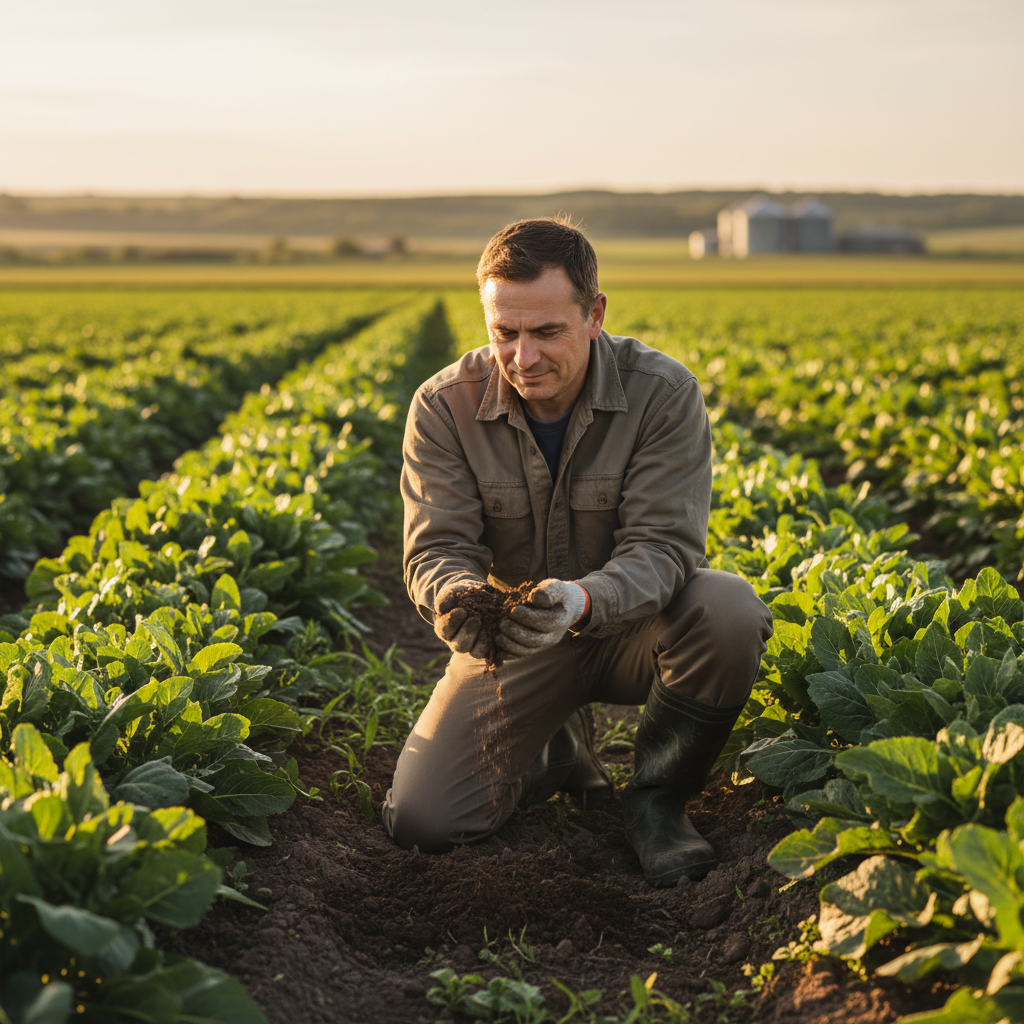
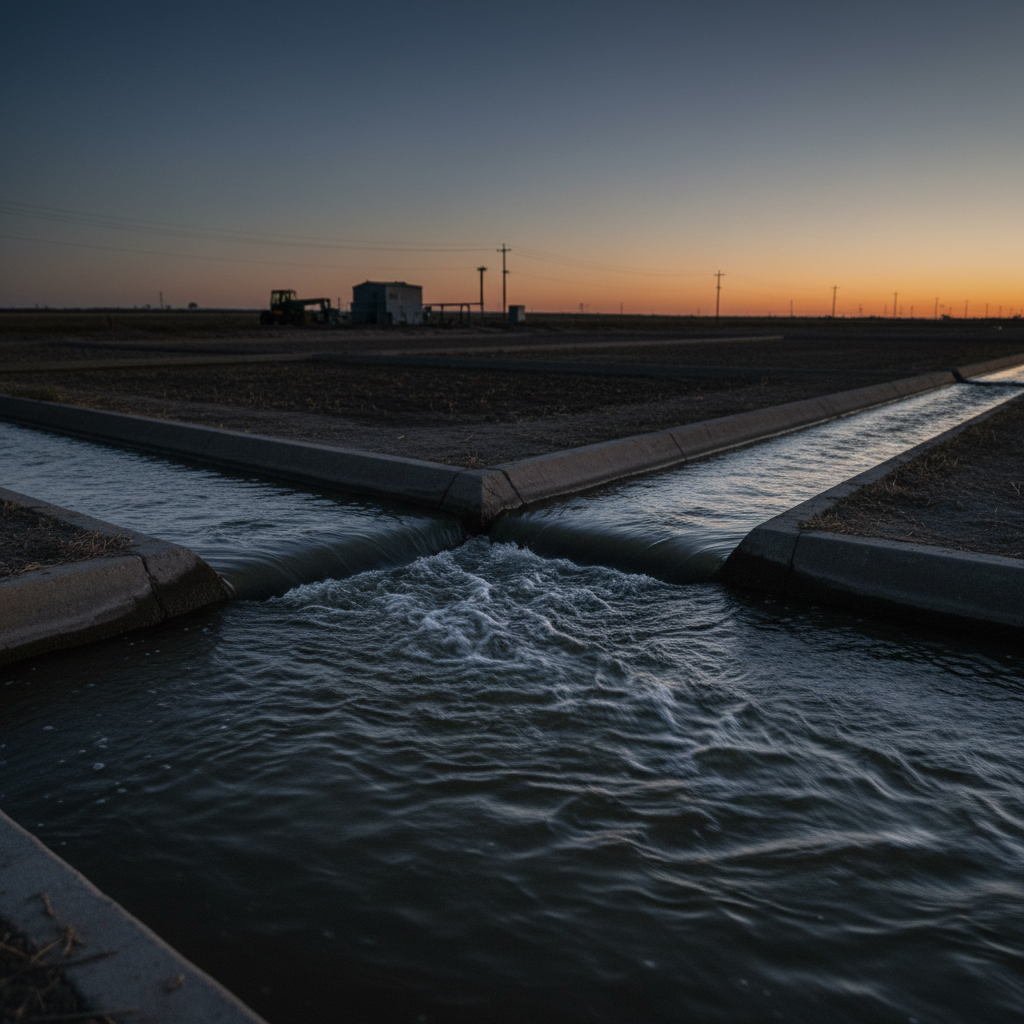
A stable labor force provided through the H-2A visa program for small farms is the foundation for effective land stewardship. When staffing is unpredictable, growers are often forced into reactive management, focusing only on the most immediate harvest needs. With the security of a legal, returning crew, a farm can move toward sustainable production by executing labor-intensive tasks that protect long-term soil health. This includes precision weeding, which minimizes the need for broadcast herbicide applications, and the meticulous management of Box Elder County’s irrigation channels. Effective water conservation in Northern Utah requires constant monitoring and gate adjustments that only a full team can provide.
Furthermore, labor stability allows for the timely execution of modern farming practices like cover cropping. Planting these crops immediately after a harvest prevents erosion and improves organic matter; however, the window for success is often narrow. Having a dedicated workforce ensures these environmental priorities are not sidelined during the seasonal rush. Ultimately, reliable agricultural operations demonstrate that environmental responsibility is not just a philosophy; it is a direct result of having enough hands to manage resources with precision.
The H-2A visa program offers a dependable path for Utah growers to overcome labor shortages while maintaining full legal compliance. While the application process involves many specific steps, the long-term stability it provides for your seasonal harvest is invaluable. If you want expert help navigating these federal requirements or simply wish to save time, we are available to guide you through every stage. You can learn more about Anders Farming and how we support local agricultural businesses on our dedicated information page. We focus on making complex regulations manageable for your farm.