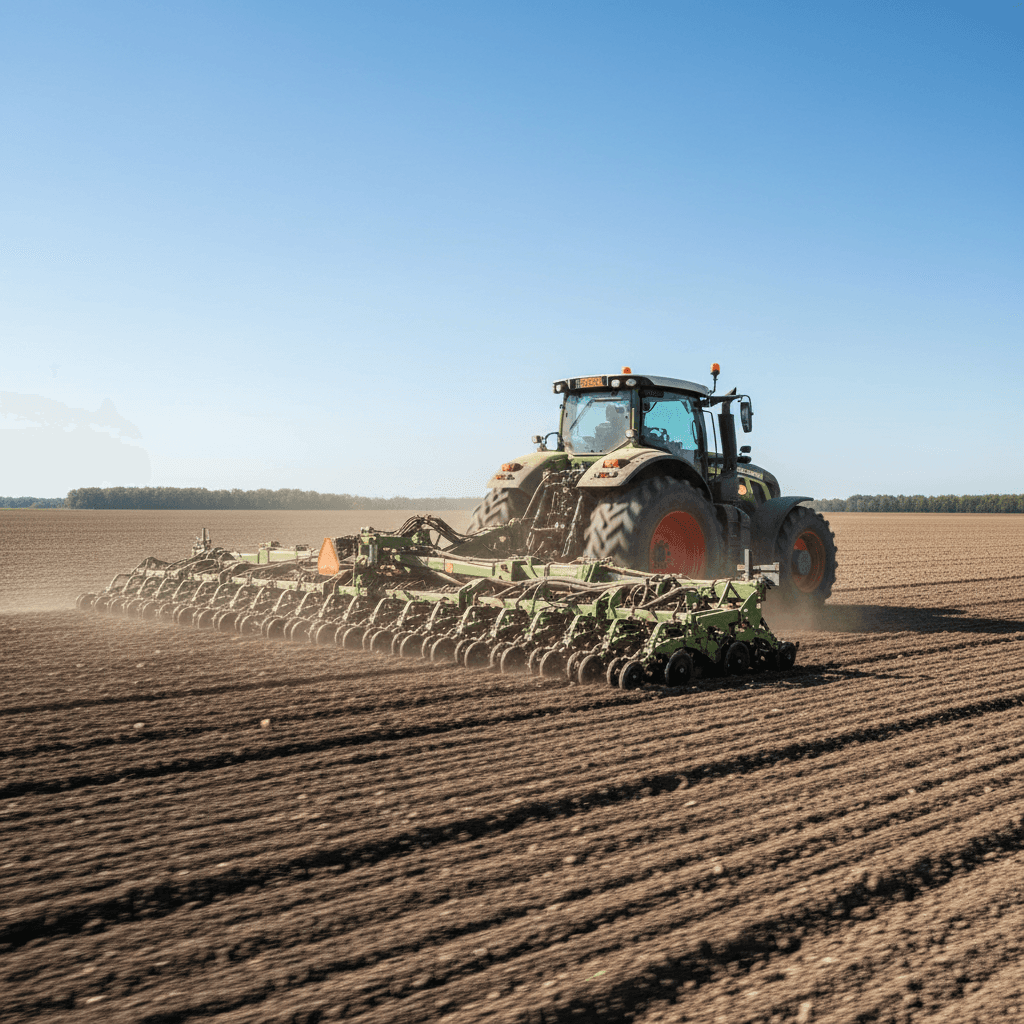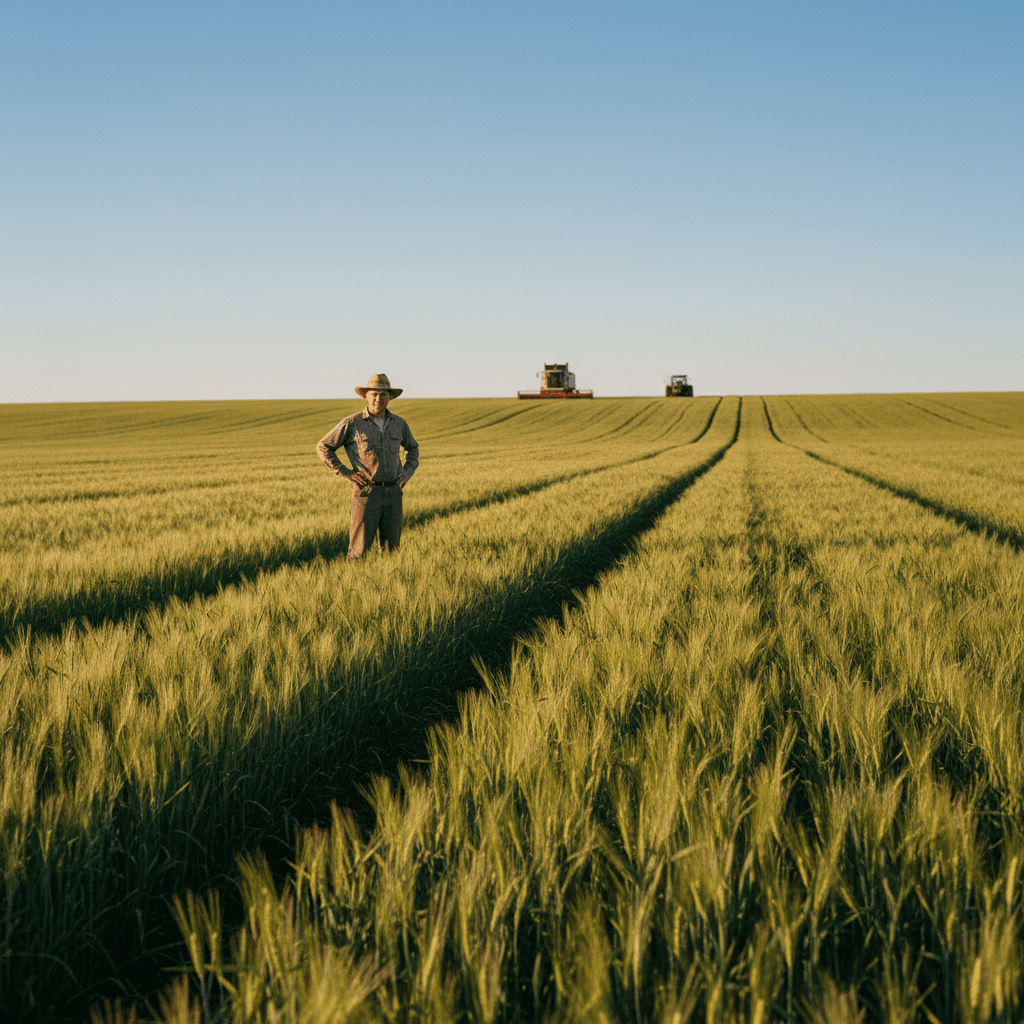
On farm grain storage increases overall farm profitability by eliminating commercial elevator fees and allowing producers to sell crops when market prices are most favorable. Although initial setup requires a capital investment, these systems typically offer a high return on investment through tax depreciation benefits and significantly lower monthly holding costs.
Waiting in line at the elevator during a peak harvest window represents more than just lost time; it is a fundamental loss of market leverage. For small and dryland operations, accepting a spot price because you lack storage space often means leaving significant profit on the table. This lack of flexibility puts your yield at the mercy of localized basis fluctuations and logistical bottlenecks. Transitioning to on farm storage is a strategic move that transforms your operation from a price taker into a disciplined marketer. In this article, we analyze the specific economics of grain storage for smaller scales. We will guide you through calculating a realistic return on investment, selecting the right bin sizes for dryland wheat, and implementing rigorous moisture controls. You will also learn best practices for aeration and pest management to protect your harvest until the market moves in your favor.
The Economics of On Farm Grain Storage for Small Operations

For small scale agricultural operations in Northern Utah, the decision to invest in on farm grain storage often comes down to a battle of cents. While large scale corn belt farms have the volume to dilute massive infrastructure costs, a dryland wheat operation under 5,000 acres requires a more precise financial analysis. The primary economic hurdle is the initial fixed cost of the bin and handling equipment, which results in a higher per bushel capital investment than for a mega farm. However, the operational savings and market leverage often outweigh these upfront burdens.
Commercial elevator storage typically involves a steep entry fee, often starting around 30 cents per bushel for the initial period. In contrast, the monthly operating cost for on farm grain storage usually ranges between 2 and 3 cents per bushel. This gap allows a producer to maintain sustainable production levels without immediately sacrificing profit to third party storage fees at harvest. Beyond monthly fees, the real value lies in basis capture. By holding wheat past the harvest glut, farmers can wait for the local market price to improve relative to the futures price, a strategy that often covers the annual debt service on a new bin.
Storage Option | Typical Initial Cost (per bushel) | Monthly Operating Cost (per bushel) | |
|---|---|---|---|
Commercial Elevator | $0.25 - $0.35 | Varies / Higher |
|
On-Farm Storage | Capital Investment | $0.02 - $0.03 |
From a tax perspective, the IRS classifies grain bins as 7 year MACRS property. This accelerated depreciation schedule provides a significant shield for farm income during the early years of the investment. When combined with improved harvest logistics, such as eliminating long waits at the elevator during peak windows, the investment supports better land stewardship by allowing the crew to focus on field work rather than transit. For a dryland operation where yields are lower per acre, controlling these variables is essential for maintaining a resilient bottom line.
Calculating Your ROI: When Does Building a Bin Pay Off?
To answer the question, "Are grain bins profitable?", a producer must look beyond simple storage fees and evaluate the total impact on the farm’s bottom line. The most significant driver of ROI is basis appreciation. During the harvest glut, local cash prices often drop significantly lower than the futures price. Holding grain on site allows you to wait for the local market to recover, potentially capturing an additional $0.10 to $0.25 per bushel simply by timing your delivery to local mills or processors when their inventories are low.
Logistical efficiency provides the second pillar of profitability. In Northern Utah, the time spent idling in elevator lines represents a direct drain on resources.
Factor | Impact on Profitability |
|---|---|
Basis Capture | Ability to wait for local market premiums |
Labor Efficiency | Eliminates hours spent waiting in elevator queues |
Fuel Savings | Reduces truck idling time during peak harvest |
Market Control | Flexibility to sell when cash flow needs align with high prices |
These efficiencies support sustainable production by ensuring that every bushel harvested is moved with minimal waste. When you quantify the labor hours saved and the fuel not burned during a three hour wait at the elevator, the return on investment for on farm grain storage often realizes itself faster than a simple price spread suggests. This level of control is vital for managing a lean operation where productivity and resource management must be balanced.
Right Sizing Storage for Dryland Wheat and Small Grains
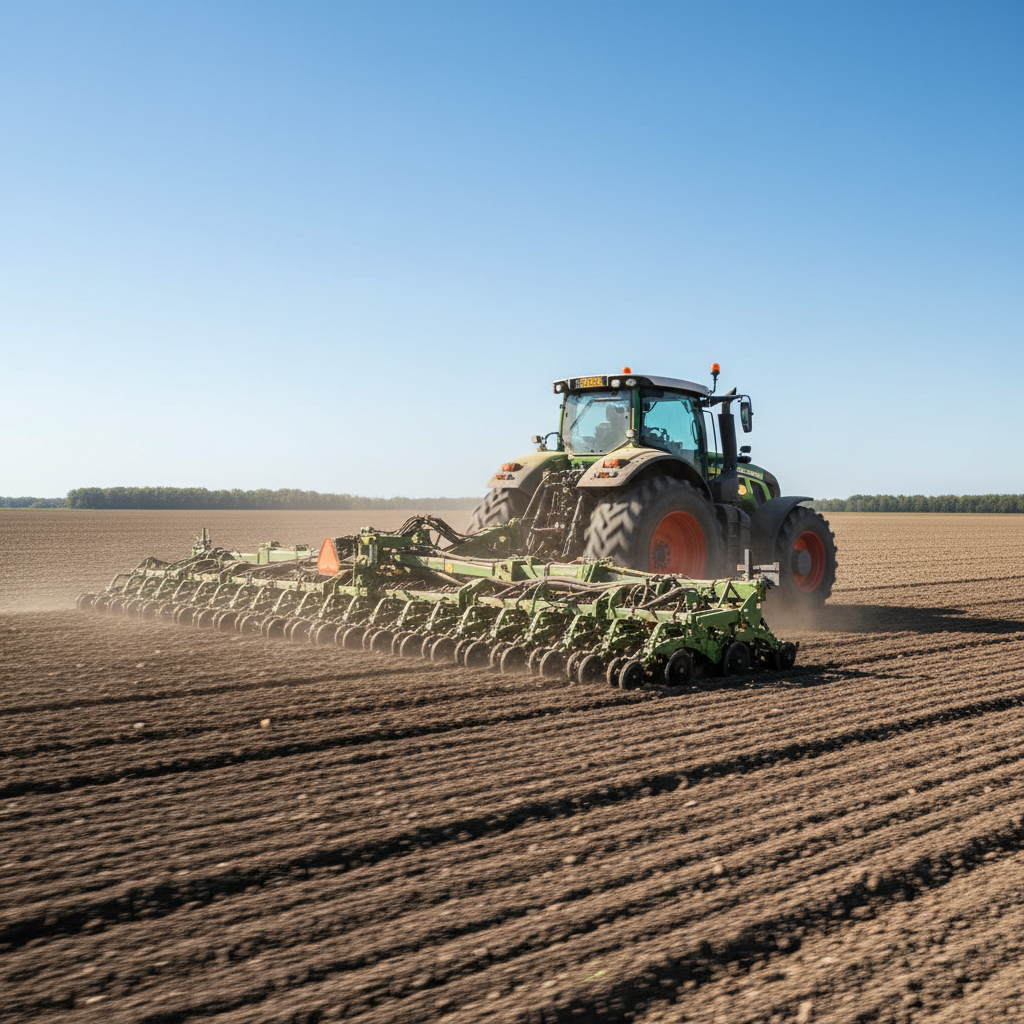
In Box Elder County, sizing storage requires a departure from the high volume models used in the Midwest. While a corn belt producer might need to account for 200 bushels per acre, a typical dryland wheat operation in Northern Utah often works with 30 to 50 bushels per acre. This lower density changes the infrastructure requirements significantly. For operations with widely dispersed acreage, smaller portable storage units or strategically placed hopper bins can be more efficient than one massive central facility. Using portable solutions reduces the distance trucks travel during the high pressure harvest window, supporting better land stewardship by minimizing fuel consumption and labor strain across scattered parcels.
To determine your specific needs, use a baseline formula tailored for agricultural operations in dryland regions:
Component | Calculation |
|---|---|
Total Harvest Potential | Acres × Average Dryland Yield (bu/acre) |
Target Storage Volume | Total Harvest × % of Crop for Long-Term Holding |
Safety Buffer | (Target Storage Volume) × 1.10 |
For example, if you manage 2,000 acres of wheat yielding 40 bushels per acre, your total harvest is 80,000 bushels. If your marketing strategy involves holding 50% of your crop to capture better basis, you need approximately 40,000 bushels of on farm grain storage. Adding a 10% buffer allows for high yield years or carry over grain from a previous season. This precise sizing ensures you are not overcapitalized on empty steel while maintaining sustainable production goals by having the exact capacity required to manage your annual output.
Maintaining Grain Quality: Safe Moisture and Temperature Targets
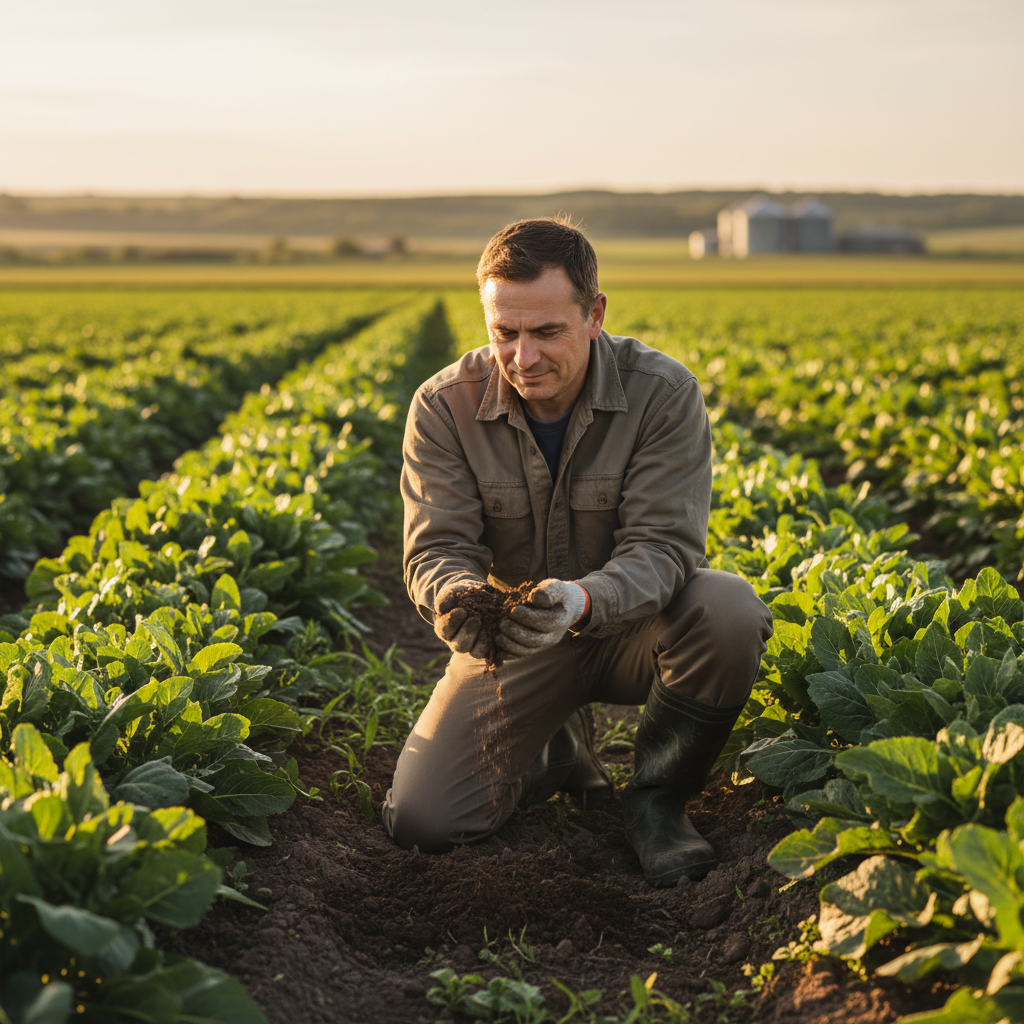
Correct sizing is only the first step in protecting your harvest; maintaining the physical integrity of the crop requires precise environmental control once it is in the bin. For wheat, the gold standard for preventing spoilage and limiting insect activity is a moisture content between 12% and 14%. Storing grain outside these parameters risks mold growth or significant weight shrink, both of which undermine sustainable production goals and reduce the final payout.
Storage Duration | Target Moisture Content (Wheat) | Risk Factor |
|---|---|---|
Short-term (under 6 months) | 13% - 14% | Minimal if temperature is managed |
Long-term (over 6 months) | 12% - 12.5% | Necessary to prevent fungal growth |
In Box Elder County, we leverage the high desert climate to our advantage. The arid air allows for more efficient moisture removal compared to humid regions, and our sharp drop in nighttime temperatures during the fall provides an ideal window to cool grain mass quickly. Cooling the grain is essential to prevent moisture migration, a process where warm air in the center of the bin rises and condenses on the cold grain at the top, creating a crust that invites rot.
Monitoring is a non-negotiable part of responsible land stewardship. A practical rule of thumb for [on farm grain storage] is to check grain conditions weekly when ambient temperatures remain above 40 degrees F. Once temperatures consistently drop below that threshold, monitoring can shift to a bi-weekly schedule. During these checks, producers should look for signs of heating, off-odors, or condensation under the roof, ensuring their agricultural operations remain profitable by preserving every bushel's grade and quality until it reaches the mill.
Best Practices for Aeration and Pest Management
Effective aeration is the primary defense against internal temperature variances, commonly known as hot spots. In our agricultural operations, fans are used to push a cooling front through the grain mass, ensuring the entire bin reaches a uniform, safe temperature. Because Northern Utah offers low humidity and significant nighttime temperature drops, we can move these cooling fronts efficiently without the risk of re-introducing excessive moisture. The goal is to step the grain temperature down in increments, eventually reaching 35 to 40 degrees F for winter storage.
Pest management begins long before the first bushel hits the bin. Weevil infestations often start from residual grain left in the perforated floors or handling equipment. A rigorous sanitation protocol is essential for sustainable production and involves removing every trace of old crop from the previous season.
Task | Action | Target Area |
|---|---|---|
Physical Cleaning | Sweep and vacuum all dust and kernels | Floors, walls, and auger boots |
Floor Treatment | Apply an approved residual insecticide | Under perforated floors |
Equipment Check | Inspect seals and roof vents | Bin exterior and entry points |
Maintaining high standards in land stewardship means protecting the harvest from biology as much as from the elements. Treating the bin floor and lower walls with an appropriately labeled residual insecticide creates a barrier that prevents dormant pests from migrating into the new crop, a critical step in professional on farm grain storage.
Scalable Storage Solutions for Growing Farm Operations
For small agricultural operations, infrastructure investment should mirror actual growth rather than projected ideals. A modular approach to on farm grain storage allows a farm to start with one or two modest bins, perhaps 10,000 to 15,000 bushels each, which align with current dryland yields. As land management footprints expand through new leases or improved productivity, additional bins can be added to a centralized pad. This incremental growth preserves cash flow while ensuring that storage capacity never lags behind harvest potential.
Growth Phase | Storage Strategy | Infrastructure Focus |
|---|---|---|
Initial Phase | 1-2 hopper or flat-bottom bins | Basic site prep, essential augers |
Expansion Phase | Additional bins, shared handling | High-capacity conveyors, digital sensors |
Optimization Phase | Integrated monitoring systems | Automated aeration, real-time data |
True land stewardship requires managing the final product with the same intensity applied to soil health. Modern farming practices, such as installing digital cables and moisture sensors, are now accessible for smaller setups. These tools provide real-time data to mobile devices, allowing for precise aeration control that maintains sustainable production standards. By integrating technology into a scalable footprint, producers protect their investment against the spoilage risks common in stationary storage, ensuring every bushel sold meets peak market quality. This level of oversight ensures that efficient resource management covers the entire lifecycle of the crop, from the first seed to the final delivery.
Investing in on-farm grain storage requires a careful balance of upfront costs, safety protocols, and long-term ROI. While small and dryland operations can find significant financial freedom through storage, the technical planning can be overwhelming. If you want expert help navigating these logistics, feel free to learn more about our approach. We focus on practical solutions tailored to your unique acreage, ensuring your investment remains safe and profitable for years to come.