Utah farmers can save water and reduce overhead by utilizing the Agricultural Water Optimization Program, which offers up to $500,000 in grants for modernizing irrigation infrastructure. Adopting water conservation farming Utah strategies, such as upgrading sprinklers and exploring alternative crops, helps growers maintain productivity while participating in state-funded resiliency efforts.
Operating a successful farm in Utah has always required resilience, but today’s growers face a tightening squeeze between rising operational costs and increasingly scarce water resources. When every acre inch of water directly impacts your seasonal margins, relying on antiquated irrigation methods is a risk your bottom line can no longer afford. Efficient water management is not merely an environmental goal; it is a fundamental requirement for financial survival and long term land stewardship. This guide provides a practical roadmap for Utah growers looking to modernize their operations through strategic investment. We will examine the financial benefits of UDAF Agricultural Water Optimization Grants, the measurable ROI of soil moisture sensors, and the transition from flood to drip irrigation. By analyzing how we implement these strategies at Anders Farming, you will learn how to secure state funding and optimize your irrigation for maximum profitability.
The Financial Reality of Water Conservation Farming in Utah
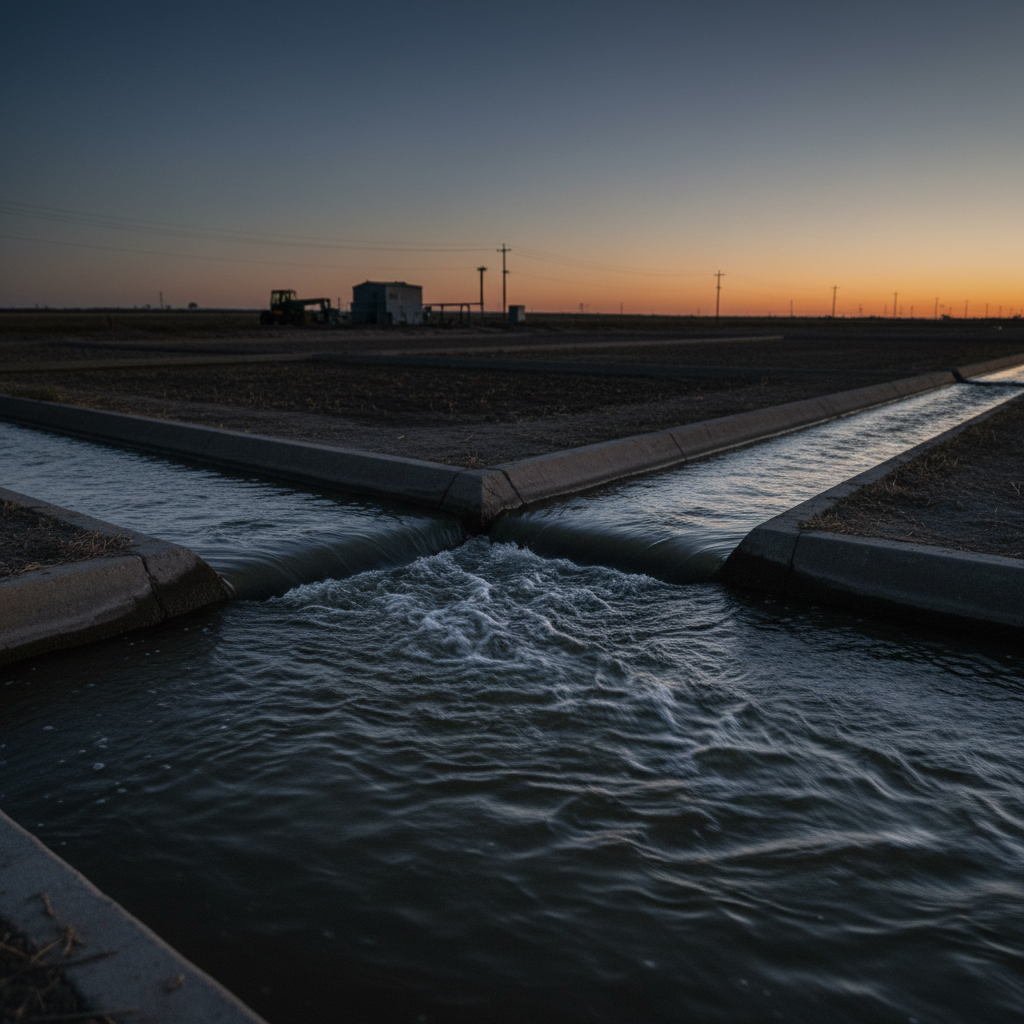
Utah is currently pushing toward a statewide 16% water conservation goal, a target necessitated by a persistent drought outlook that extends through 2026. For those of us managing agricultural operations in Box Elder County, water conservation farming Utah is evolving from a voluntary act of land stewardship into a core business strategy. The reality is that water scarcity and the rising cost of water shares are putting direct pressure on profit margins. To remain competitive, growers must find ways to maximize yield while minimizing the total volume of water applied per acre.
Historically, the state's "use it or lose it" water laws created a significant barrier to efficiency. Farmers often felt compelled to use their full allocation to protect their water rights from being reduced in future years. However, the introduction of agricultural water optimization programs has changed the legal landscape. These initiatives allow producers to document their savings and maintain their full water rights even when they use less water through improved technology and management.
By implementing sustainable farming practices, local growers can modernize their infrastructure without risking the loss of their most valuable asset. This shift is not just about environmental responsibility; it is about building a resilient operation that can withstand the economic volatility of a drying climate. Investing in efficiency today ensures that Box Elder County remains a productive agricultural hub for the next generation of farmers.
UDAF Agricultural Water Optimization Grants: Funding Your 2025 and 2026 Projects

The primary vehicle for modernization in our state is the Utah Department of Agriculture and Food (UDAF) Agricultural Water Optimization Program. This grant is specifically designed to help producers implement technologies that reduce water depletion while maintaining or improving agricultural productivity. For those planning improvements for the 2025 and 2026 seasons, understanding the financial structure is the first step. The program operates on a 50/50 cost share basis, meaning the grant covers half of the project costs. Funding limits are substantial, offering up to $500,000 for individual farms and up to $1,000,000 for canal and irrigation companies.
Entity Type | Maximum Award | Cost Share Requirement |
|---|---|---|
Individual Farm or Producer | $500,000 | 50% Match |
Canal or Irrigation Company | $1,000,000 | 50% Match |
Securing these funds requires a focus on long term water resiliency. Most successful applications in Northern Utah focus on infrastructure that eliminates conveyance loss, such as piping open ditches to stop seepage and evaporation. Others utilize the funding to transition agricultural operations from older flood systems to high efficiency secondary irrigation tech. These upgrades are not just about new hardware; they are about creating a system that can withstand multi year drought cycles without sacrificing yield.
To prepare for the upcoming 2025 and 2026 application cycles, growers should prioritize projects that provide verifiable data. UDAF prioritizes optimization, which means using the right amount of water at the right time. Documentation is critical; you must be able to demonstrate how the upgrade will result in a net reduction of water diverted or consumed. As part of our commitment to land stewardship, we recommend starting the engineering and water use audit process at least six months before the application window opens. This proactive approach ensures that your project is technically sound and aligns with the sustainable farming practices necessary to keep Box Elder County land viable.
Getting Paid to Conserve: The Demand Management Pilot and Fallowing Programs
While infrastructure grants offset capital expenses, some programs offer direct financial compensation for the water itself. The Demand Management Pilot, primarily utilized in the Colorado River Basin, has provided a framework where growers receive payments, often reaching approximately $390 per acre-foot, for verified water savings. This model is gaining traction across the state as a way to turn land stewardship into a quantifiable revenue stream. For a producer in Northern Utah, this often involves fallowing, which is the practice of purposely leaving a field unplanted for a season to reduce consumptive use.
Fallowing presents a unique set of financial trade-offs. On the positive side, it eliminates the costs of seed, fertilizer, and labor while providing a guaranteed payment that can stabilize cash flow during extreme drought. However, it requires careful management; bare soil is susceptible to wind erosion and invasive weed pressure, which can compromise the long term productivity of the land. At Anders Farming, we view fallowing as a temporary financial tool rather than a permanent solution for agricultural operations looking to maintain soil vitality.
It is also important to differentiate between temporary fallowing and permanent crop transitions. While fallowing stops water use for a single season, transitioning to low water use crops or implementing improved sustainable farming practices allows for continued production with a smaller resource footprint. Both strategies play a role in Utah's emerging water banking systems, allowing farmers to lease out surplus water without permanently forfeiting their underlying rights. This flexibility is essential for maintaining a profitable balance between production and conservation.
Drip Irrigation vs Flood Irrigation: Making the Switch in Box Elder County
Transitioning from traditional methods to modern systems is a significant decision for any agricultural operations in Box Elder County. When growers ask, "Is drip irrigation better than flood irrigation?", the answer depends on whether you prioritize resource efficiency or initial capital expenditure. Flood irrigation remains common due to its low mechanical complexity, yet it is inherently inefficient because of high evaporation rates and uneven water distribution across the field. In contrast, drip systems deliver water directly to the plant root zone, which can reduce water consumption by 50 to 70 percent compared to traditional flooding.
For local staple crops like alfalfa or small grains, the shift to drip can lead to more than just water savings; it often improves yield through consistent moisture levels and reduced nutrient leaching. While the water-saving potential is clear, the primary barrier for many producers remains the high upfront cost of filtration, tubing, and pumps. To address this hurdle, the UDAF is currently incentivizing the transition by offering to cover up to 75% of the costs for certain drip irrigation projects. This elevated cost-share reflects the state's aggressive stance on water conservation farming Utah.
Feature | Flood Irrigation | Drip Irrigation |
|---|---|---|
Water Efficiency | 40% to 60% | 90% to 95% |
Upfront Cost | Low | High |
Labor Requirement | High (manual sets) | Low (automated) |
Crop Yield Impact | Variable | Generally Higher/Consistent |
By leveraging these state funds, a producer can modernize their infrastructure, lowering long-term pumping costs and ensuring that every drop applied contributes directly to crop growth rather than being lost to the atmosphere. Adopting these sustainable farming practices allows for a more controlled, data-driven approach to production that protects both the harvest and the watershed.
The ROI of Soil Moisture Sensors and Precision Technology
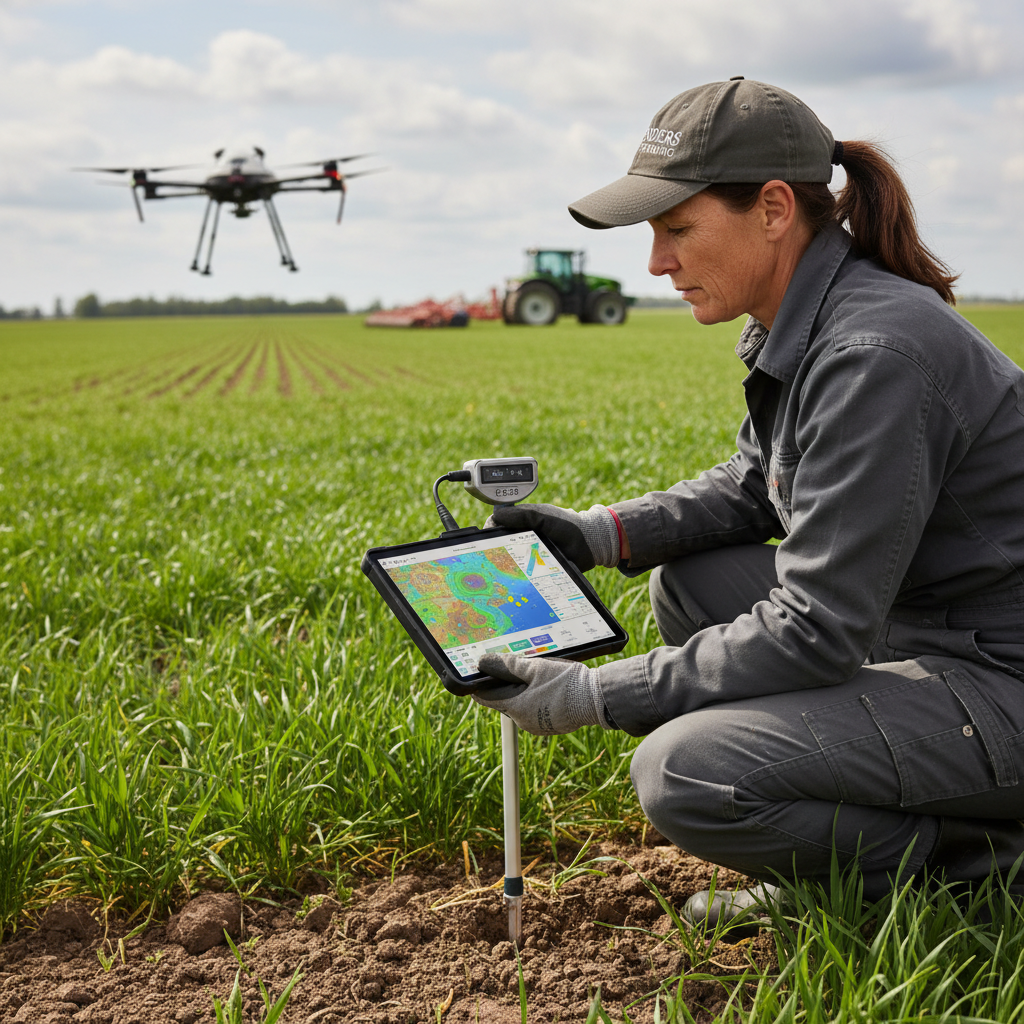
Moving beyond infrastructure upgrades like drip systems, the next logical step for agricultural operations is integrating precision technology. A frequent question among Box Elder County growers is, "Are soil moisture sensors worth it?" Research indicates the answer is a resounding yes. Studies have shown that utilizing these sensors can increase net income by nearly 20 percent. Because they optimize water application so effectively, the hardware often pays for itself within the first year of operation.
Soil moisture sensors provide real-time data from the root zone, eliminating the guesswork associated with traditional scheduling. By knowing exactly when the soil profile is depleted, you can prevent over-watering that leads to nutrient leaching and anaerobic soil conditions. This level of precision is a cornerstone of land stewardship, as it protects the long term vitality of the ground. Furthermore, reducing unnecessary irrigation cycles directly cuts pumping and energy costs. In the context of water conservation farming Utah, these sensors allow for a data-backed approach to sustainable farming practices, ensuring that every gallon of water supports plant growth rather than running off or percolating past the reach of the crop.
Practical Steps for Implementing Water-Smart Practices at Scale
Integrating precision technology is only effective when paired with a clear implementation strategy. Moving from individual tools to a farm-wide system requires a structured approach to ensure long-term viability. At Anders Farming, we utilize these practical steps to transition agricultural operations toward greater efficiency.
Conduct a Comprehensive Water Audit: You cannot optimize what you do not measure. Evaluate delivery losses in open ditches and assess distribution uniformity across your acreage. This baseline data is essential for justifying state grant requests and identifying the most critical areas for improvement.
Evaluate Soil Health: Irrigation efficiency is limited by the soil's ability to retain moisture. Implementing sustainable farming practices that increase organic matter will significantly reduce runoff and deep percolation, ensuring more water reaches the root zone.
Research 2026 Grant Eligibility: State and federal funding cycles move quickly. Review the current requirements for UDAF and NRCS programs now to prepare the engineering and environmental assessments needed for the 2026 season.
Consult with Land Stewardship Experts: Professional land stewardship helps bridge the gap between financial assistance and field execution. Expert consultation ensures that new systems are scalable and correctly calibrated for Northern Utah’s specific climate.
Adopting water conservation farming Utah requires a shift in management style; it is about working with the landscape rather than simply fighting the drought. By following this roadmap, growers can build a resilient operation that thrives regardless of the weather cycle.
How Anders Farming Manages Sustainable Operations in Utah
At Anders Farming, our management strategy bridges the gap between state-level conservation goals and day-to-day agricultural operations. We serve as a direct partner for landowners in Box Elder County, taking the lead on implementing precision technologies and maintaining the sustainable farming practices required for modern resiliency.
Our approach focuses on data-driven land stewardship, where we manage the complexities of sensor integration and irrigation maintenance to ensure that every acre remains productive despite fluctuating water availability. By providing scalable management solutions, we help local growers navigate the technical requirements of water conservation farming Utah while protecting the long-term value of their land for future generations.
Transitioning to water-smart farming is a vital step for Utah growers looking to preserve their legacy and improve profitability. By optimizing your irrigation and securing state grants, you can protect your land while reducing long-term costs. If you want expert help navigating these technical upgrades or funding applications, our team is here to support your goals. You can learn more about our commitment to sustainable agriculture on our About page. We look forward to helping your farm thrive in a changing climate.